Philippine financial institutions are lowering interbank transfer fees following heightened regulatory scrutiny from the central bank, sparking discussion on whether reduced transaction costs will accelerate the adoption of digital payments nationwide.
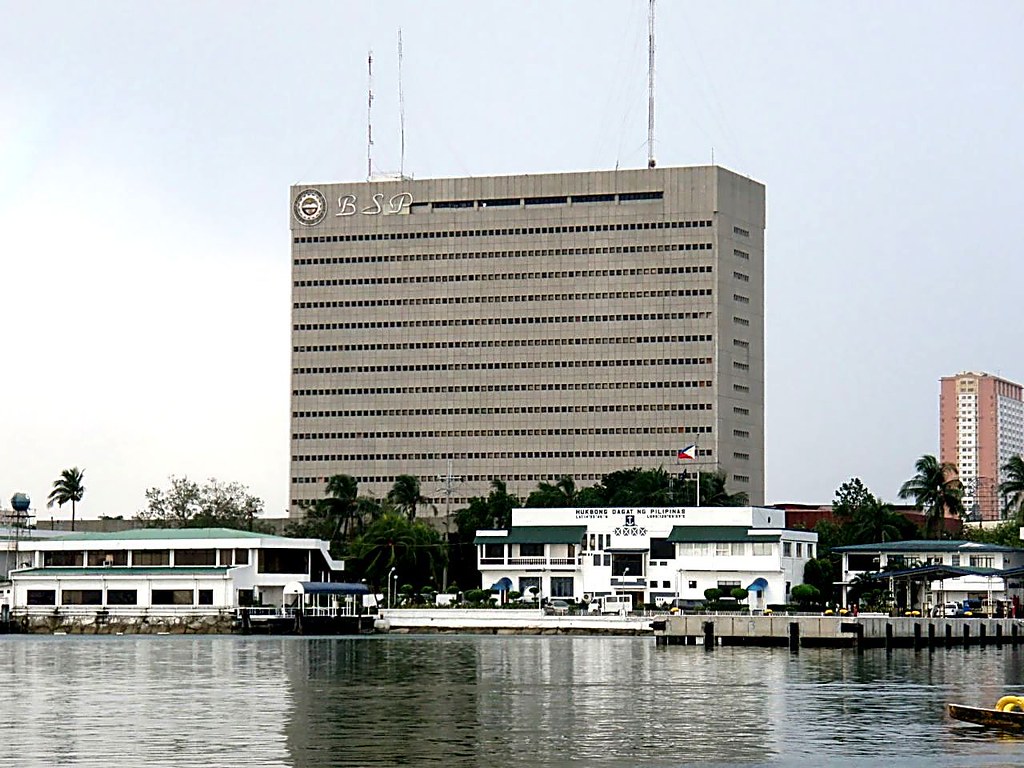
The fee reductions come after the Bangko Sentral ng Pilipinas (BSP) issued a circular directing that charges for electronic fund transfers between different banks should not significantly exceed intra-bank transfer costs. Lenders are also now required to explicitly justify the fees associated with operating their digital transfer channels.
In response, Bank of the Philippine Islands (BPI) eliminated interbank transfer fees on July 1, with Metropolitan Bank & Trust Co. following suit on July 9. Neither institution disclosed the expected revenue impact of these changes. BPI President and CEO Jose Teodoro Limcaoco noted that removing these charges is expected to encourage higher transaction volumes as consumers no longer face fee friction per transfer.
The central bank’s regulatory push aims to improve affordability and promote financial inclusion across the country. BSP Deputy Governor Mamerto Tangonan highlighted that the actual processing cost for an InstaPay transaction sits at approximately $0.024 (P1.50).
According to BSP data through July 15, numerous major commercial and universal lenders have already dropped fees for real-time InstaPay transfers. However, some institutions still charge between $0.13 (P8) and $0.41 (P25) per InstaPay transaction, with batch-processed PesoNet fees reaching up to $4.05 (P250). The central bank expressed optimism for further industry initiatives aimed at improving the accessibility and cost-efficiency of digital financial services.
Click here for more on Banking