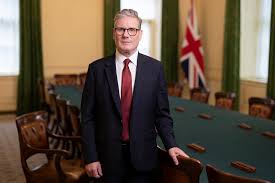
British Prime Minister Keir Starmer announced his resignation on Monday, opening the door for an orderly transition of power to frontrunner Andy Burnham, who could become the UK’s seventh leader in a decade as early as next month. In an emotional address delivered outside Downing Street, Starmer acknowledged the shifting sentiment within the governing Labour Party, stating he recognized he was no longer the right figure to lead the party into the 2029 general election. While his departure could have sparked a fractured leadership battle, several Labour lawmakers now anticipate a swift coronation rather than a prolonged contest.
The 56-year-old Burnham quickly consolidated power after former health minister Wes Streeting, previously considered a primary leadership rival, publicly backed his candidacy. Burnham entered Parliament to enthusiastic cheers from Labour colleagues alongside heckles from the opposition benches, subsequently pledging allegiance to King Charles—a formal requirement to assume legislative duties and position himself for the premiership. This political upheaval occurs exactly ten years after the Brexit referendum, highlighting deep-seated voter frustration over the government’s perceived failure to deliver on promised changes.
Starmer confirmed he has requested the Labour Party’s organizing committee to establish an official leadership timeline, with formal nominations scheduled to open on July 9 and conclude by mid-July. If an internal challenge emerges, a new leader will take office by September; however, an uncontested coronation could place Burnham in Downing Street before the end of July. During his address, Starmer became visibly emotional when expressing gratitude to his wife, Victoria, and his children, noting his desire to focus on his family after spending his weekend evaluating his rapidly eroding political position. Within the party, reactions were mixed, with some praising Starmer as a decent man while others remarked that the prime minister had ultimately been undone by the same rigid political maneuvers he used against his own opponents.
The internal threat to Starmer’s leadership culminated on Friday when Burnham decisively won a parliamentary election in Makerfield, defeating a candidate from Nigel Farage’s Reform UK party, which has dominated national opinion polls for over a year. Financial markets reacted favorably to the political clarity provided by Streeting’s endorsement of Burnham, triggering a rally in both the British pound and government bonds. Despite the positive market response, a Burnham premiership carries notable uncertainties, as the incoming leader has yet to outline a comprehensive policy platform regarding the economy, defense, or foreign affairs, beyond broad commitments to lower the cost of living. Furthermore, any new administration will face severe fiscal constraints, given that Britain currently sustains the highest borrowing costs in the G7 due to elevated debt levels, sluggish economic growth, and the compounding pressure to increase public spending.
Click here for more on World News