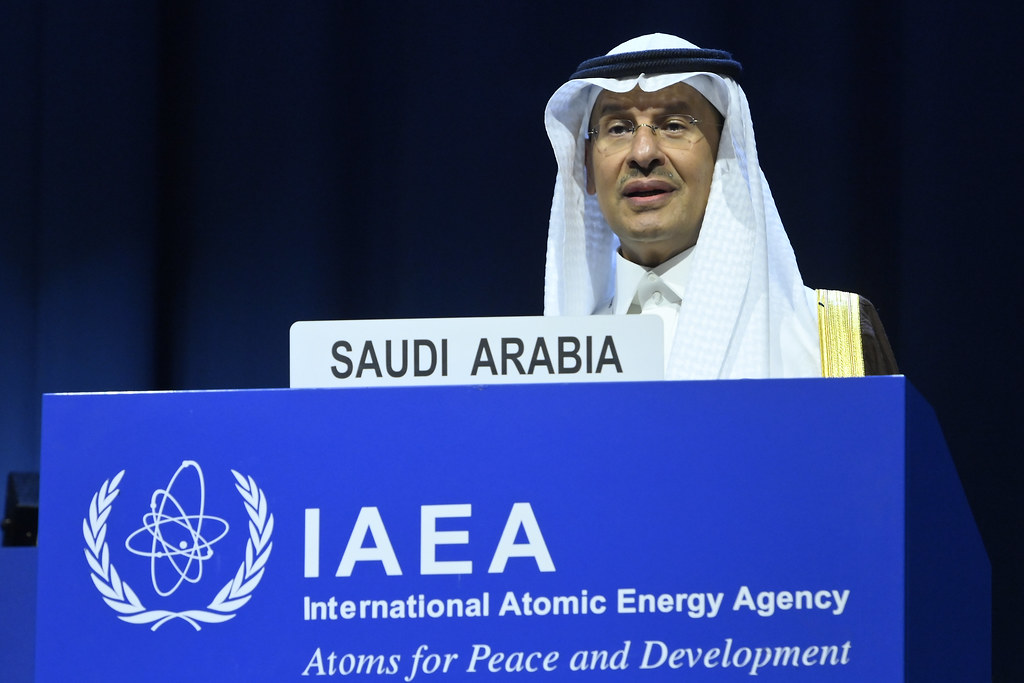
Saudi Energy Minister Prince Abdulaziz bin Salman (ABS) is facing a dual crisis: the most significant disruption to global oil supplies in history and a fractured OPEC alliance. The ongoing conflict with Iran has not only paralyzed Gulf exports but has also rendered Saudi Arabia and its allies unable to access the spare capacity typically used to stabilize markets during turmoil. This geopolitical strain is compounded by the abrupt departure of the United Arab Emirates from OPEC. As the group’s fourth-largest producer with the second-highest spare capacity, the UAE’s exit challenges the leadership of Prince Abdulaziz, whose approach has transitioned from diplomatic consensus-building to a more unilateral style of decision-making.
The Prince’s authority is rooted in Saudi Arabia’s massive production capabilities and his strong political backing as the half-brother of Crown Prince Mohammed bin Salman. Historically, ABS has demonstrated a “take charge” attitude, notably winning a 2020 price war against Russia and resisting production hike requests from the U.S. government. However, his insistence on market discipline is now hitting a wall. If the Strait of Hormuz reopens and production resumes, an unconstrained UAE—which accounted for 12% of OPEC’s output last year—represents a massive volume of oil that the Saudi minister can no longer regulate or quota.
Within the OPEC+ alliance, several delegates have noted a shift away from the marathon negotiations of the past toward a system where smaller producers are simply informed of final decisions. While many members appreciate the Saudi efforts to maintain high oil prices, the lack of consultation and the marginalization of technical experts have caused internal friction. Analysts suggest the UAE’s departure is the culmination of years of frustration over production quotas, particularly as Abu Dhabi invested $150 billion to expand its capacity to 6 million barrels per day—a direct challenge to Saudi dominance in the sector.
Currently, the practical impact of the UAE’s exit is limited by the closure of the Strait of Hormuz, which has severely hampered exports from Iraq, Kuwait, and Saudi Arabia. While the Saudis have successfully rerouted a majority of their supply via Red Sea pipelines and the UAE utilizes routes through the Gulf of Oman, the long-term outlook remains uncertain. Once regional stability returns, the rivalry between Riyadh and Abu Dhabi could lead to a flooded market, as the UAE will no longer be bound by the “injustice and sacrifice” of OPEC-mandated production cuts.
Click here for more on World News