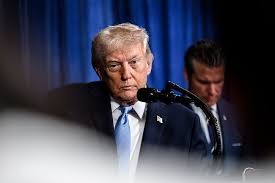
President Donald Trump indicated that negotiations to end the ongoing conflict with Iran could resume shortly, potentially leading to a significant agreement. Following a round of talks in Pakistan that ended without a breakthrough, the President teased an “amazing two days” ahead and expressed hope that the current ceasefire would not need an extension. Vice President JD Vance echoed this positive sentiment, despite acknowledging the deep-seated mistrust and the complexities of reaching a grand bargain.
While diplomatic efforts intensify, the U.S. military has ramped up its naval blockade, effectively halting maritime trade into and out of Iranian ports. Several vessels, including a Chinese-owned tanker, have been intercepted or turned back. In response, Tehran has reportedly explored using alternative ports outside its southern coastline to bypass the restrictions and maintain import capacity.
Significant hurdles remain regarding Iran’s nuclear program and regional stability. The U.S. is pushing for a 20-year suspension of nuclear activity and the removal of enriched material, while Tehran has suggested a much shorter moratorium and demands the lifting of international sanctions. Additionally, continued Israeli strikes against Hezbollah in Lebanon complicate peace efforts, as Iran insists these actions violate the ceasefire agreement.
The humanitarian and economic consequences of the war continue to mount, with an estimated 5,000 fatalities and extensive damage to Iranian infrastructure, including schools and clinics. Globally, the closure of the Strait of Hormuz has disrupted energy supplies to Asia and Europe, pushing oil prices toward $96 per barrel. The IMF has warned that these price spikes, combined with the expiration of sanctions waivers, could drive the global economy toward a recession.
Click here for more on World News