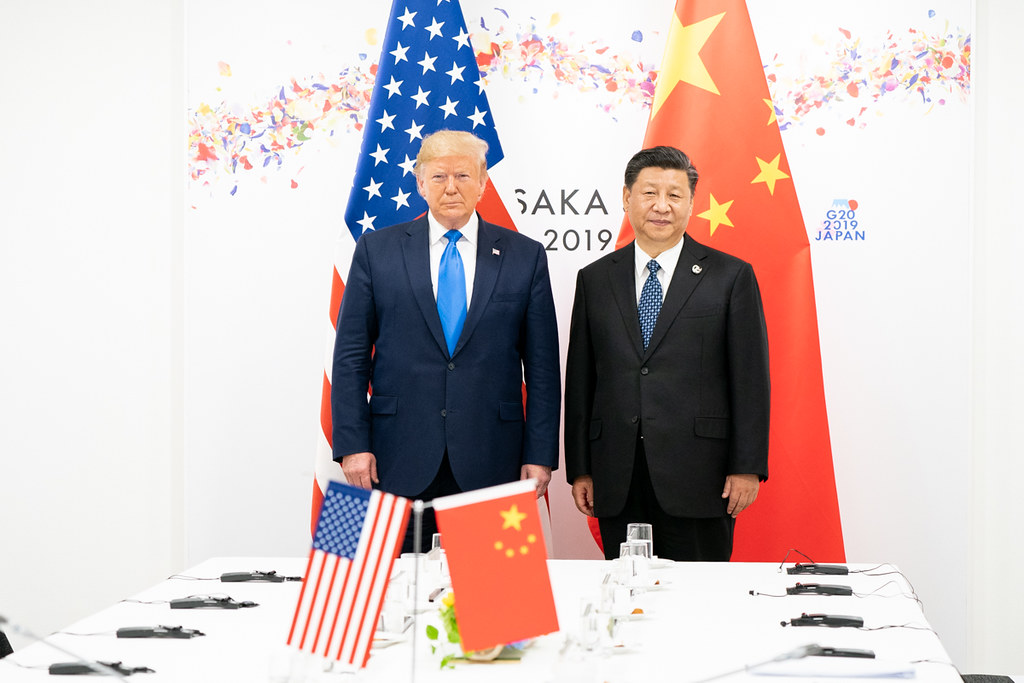
Despite high-level discussions between the U.S. and China to extend a trade truce, Chinese customs data reveals that Beijing continues to restrict the export of rare earth minerals essential for the defense and manufacturing sectors. While overall export volumes appear to have rebounded, these “headline” figures mask a selective throttling of heavy rare earths such as yttrium, dysprosium, and terbium. Exports of these specific materials remain roughly 50% lower than levels seen before the April 2025 restrictions, which were originally implemented in response to U.S. tariffs.
The scarcity of these materials has had a direct impact on global industry, particularly in aerospace and semiconductor manufacturing. While the White House previously announced an agreement with China to eliminate these controls, Beijing has maintained its licensing restrictions on strategically sensitive elements. This has led to severe production hurdles; for example, some U.S. aerospace firms were forced to temporarily halt operations due to a lack of yttrium, which is vital for protecting turbine blades. In some instances, the White House has had to intervene directly with Chinese authorities to secure licenses for American companies facing hundreds of millions of dollars in monthly revenue losses.
The repercussions of these export curbs extend far beyond the United States, severely affecting key allies like Japan and Germany. Since the controls began, the price of yttrium has skyrocketed nearly 140-fold, while dysprosium and terbium have seen four- to five-fold increases. Japan, the world’s leading producer of rare earth magnets outside of China, has received only a fraction of its historical dysprosium imports, while German imports of the material have essentially ceased. Consequently, manufacturers globally are paying up to three times more for the high-strength magnets used in electronics and electric vehicles.
In response to this volatility, the G7 and other international partners are investing heavily in alternative supply chains to reduce their dependence on Chinese exports. However, experts warn that establishing a fully independent infrastructure will take years. With the upcoming summit in China, the rare earth crisis remains a top priority alongside discussions on agricultural and energy exports, as both nations seek a semblance of stability in an increasingly strained trade relationship.
Click here for more on World News