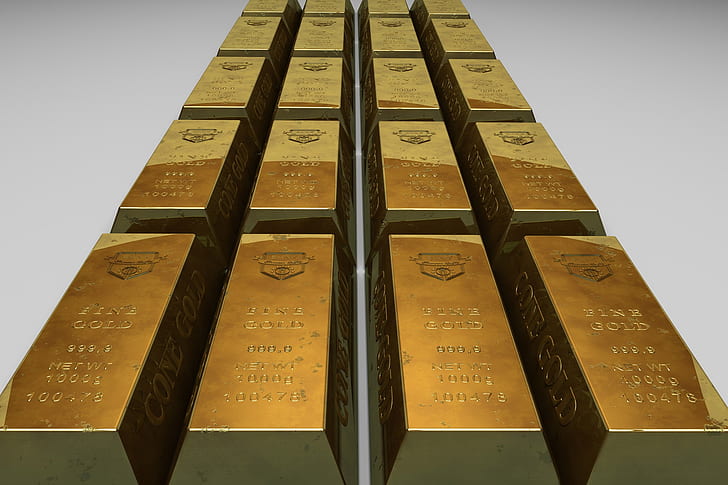
Gold prices edged lower on Monday, driven down by escalating Middle East tensions that heightened inflation fears alongside hawkish remarks from Federal Reserve Chair Kevin Warsh, which boosted market expectations for a September rate hike. Spot gold dropped 0.1% to $4,448.19 per ounce after touching a multi-week low, while U.S. gold futures fell 0.7% to $4,498.90. Despite these recent losses—following a steep 3% drop on Friday after Warsh signaled at Jackson Hole that further monetary tightening may be needed—gold remains on track for its strongest monthly performance since January, boasting a monthly gain of over 10%.
The market reaction reflects shifting monetary policy expectations, with traders raising the probability of a September Fed rate hike to 62%, up from 36% prior to Warsh’s speech. Energy markets also reacted sharply, as oil prices surged over 3% following U.S. strikes on an Iranian island in the Strait of Hormuz and subsequent retaliatory moves from Tehran. ActivTrades senior analyst Ricardo Evangelista noted that for gold to breach the $4,600 threshold again, the market would likely need to see an easing of Persian Gulf conflict and weaker U.S. labor data to cool Treasury yields and the U.S. dollar.
Investors are now turning their attention to upcoming U.S. economic indicators, including the ADP employment report and nonfarm payrolls data. Across other precious metals, spot silver gained 1% to $67.00 per ounce—capping a monthly rise of over 16%—while platinum dropped 1% to $1,802.45 and palladium fell 1.8% to $1,394.85, though both platinum and palladium remain poised for their best monthly gains since December.
Click here for more on Business