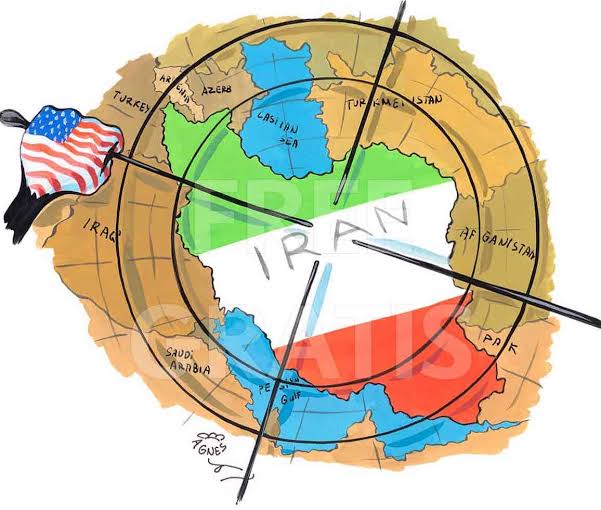
The United States is preparing to roll out what U.S. Treasury Secretary Scott Bessent termed an “economic D-Day”—a massive financial offensive aimed at forcing foreign entities to cut economic ties with Iran or lose access to the dollar-based global financial system. The forthcoming measures seek to expand secondary sanctions to halt Iranian oil flows and disrupt financial channels, putting pressure on Tehran following months of regional escalation and naval disruptions in the Strait of Hormuz and the Red Sea. Despite a previous U.S. naval blockade already choking Iranian crude exports to China, Washington remains cautious about sanctioning Chinese financial institutions due to potential retaliatory moves—such as critical mineral export limits—ahead of planned talks between U.S. President Donald Trump and Chinese President Xi Jinping.
The pressure campaign coincides with heightened diplomatic activity and ongoing maritime conflict across the region. Pakistan’s army chief, Gen. Asim Munir, traveled to Tehran for talks following a direct phone call from President Trump aimed at steering Iran back to the negotiating table. However, military friction remains severe; Houthi forces recently claimed responsibility for a missile strike on a Saudi oil tanker near the Red Sea port of Yanbu, continuing a broader strategy to disrupt regional energy corridors. Facing an economic crisis marked by a 25% drop in the rial’s value, high inflation, and severe infrastructure damage since U.S. and Israeli air strikes began in February, Iranian officials have rejected the sanctions threat, warning that further financial penalties will prompt even stricter military blockades in the Strait of Hormuz.
Click here for more on World News