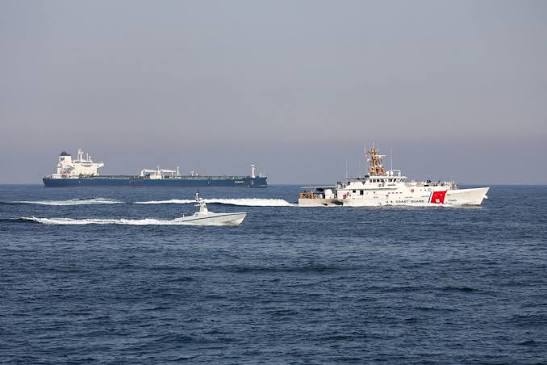
U.S. President Donald Trump stated that no negotiations were taking place or scheduled with Iran, directly countering assertions from Iranian officials that the strategic Strait of Hormuz remains blocked to international maritime traffic. Trump asserted on social media that the waterway is operational and clear of naval mines, contradicting both earlier comments from his own envoy, Jared Kushner, regarding active negotiations and reports of ongoing shipping disruptions. The expiration of a temporary 60-day ceasefire memorandum—originally intended to pave the way for a broader nuclear and sanctions agreement—has led to a diplomatic deadlock, with Iranian military leaders declaring a shift to an offensive posture while maintaining that the strait will remain closed until the U.S. lifts maritime blockades and sanctions.
The persistent diplomatic stalemate and ongoing security threats in the Persian Gulf continue to roil global energy markets and spark fiscal concerns. Following the expiration of the truce, maritime security agencies reported missile activity and an attack on a merchant vessel near the Strait of Hormuz, prompting the United Arab Emirates to suspend all commercial trade and financial transactions with Iran. With ship crossings through the vital oil transit route remaining severely restricted, Brent crude futures settled above $91 a barrel after previously peaking near $126 during the six-month conflict. As Iran faces compounding domestic economic pressures and elevated risk of regional escalation, the U.S. administration warned of potential additional economic sanctions if diplomatic progress remains stalled.
Click here for more on World News