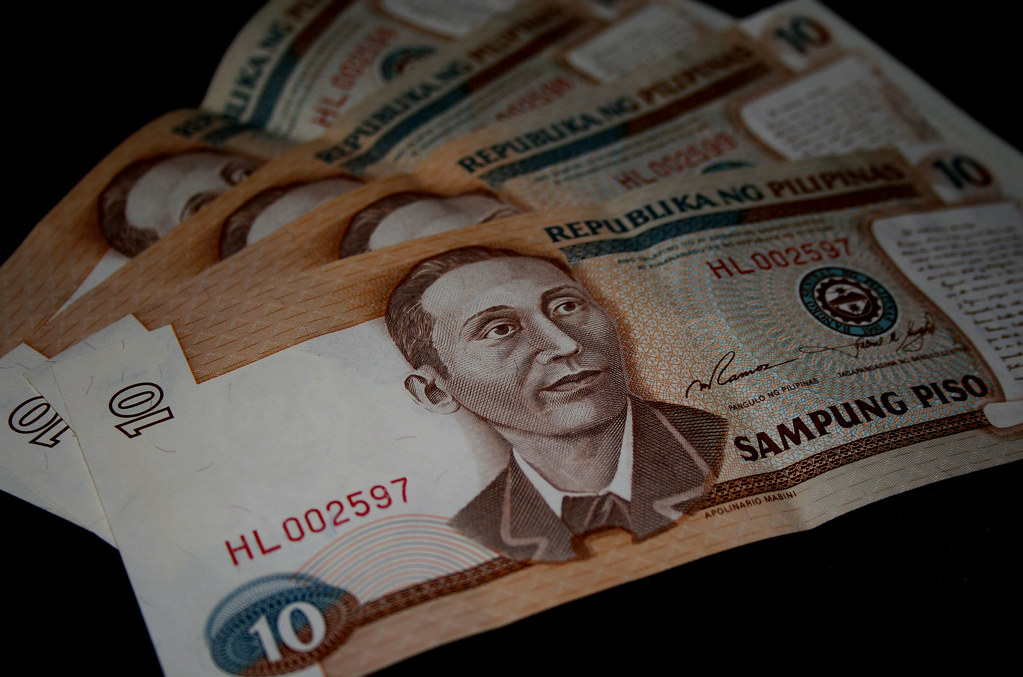
Despite facing persistent headwinds from geopolitical conflict, corporate leverage, and elevated household debt, the Philippine banking industry maintains its fundamental resilience, according to the Financial Stability Coordination Council (FSCC). The regulatory body cautioned that an extended war in the Middle East could trigger a spike in global oil prices. This scenario risks dampening market sentiment, constricting liquidity, and ultimately hindering both domestic and international economic expansion.
Regarding corporate credit, the FSCC highlighted specific vulnerabilities within sectors that are highly sensitive to energy prices and interest rate fluctuations. The council noted that escalating energy overheads paired with restrictive borrowing environments could impair the capacity of enterprises to service their debts, subsequently squeezing the profit margins of financial institutions. Eli M. Remolona, Jr., Governor of the Bangko Sentral ng Pilipinas (BSP) and FSCC Chairman, identified distinct pressure points within these vulnerable sectors, as well as valuation strains stemming from elevated bond yields. Consequently, the council emphasized the necessity of rigorously tracking borrower repayment capacities. Remolona maintained, however, that the broader financial framework remains robust, affirming that domestic banks hold sufficient capital and liquidity cushions to withstand external shocks while continuing to extend credit to consumers and businesses.
Click here for more on Banking