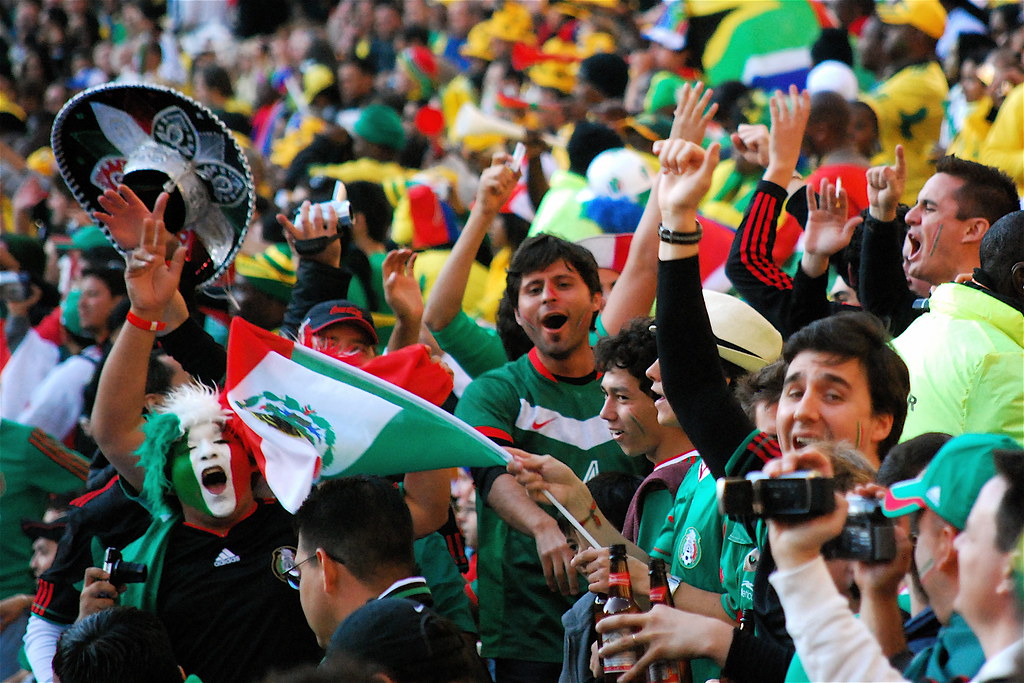
Mexico City officially launched the 2026 World Cup on Thursday at the iconic Azteca Stadium, featuring an opening ceremony that celebrated pre-Hispanic culture. The stadium vibrated with energy ahead of the inaugural match between Mexico and South Africa, even as a wave of protests rippled across the capital.
Inside the arena, pyrotechnics lit up the sky while pop stars Shakira and Burna Boy performed the tournament anthem before a sea of fans dressed in dark green, sombreros, and traditional Mariachi attire. For local attendees like 50-year-old Alejandro Garcia, who was just a child when Mexico last hosted the tournament in 1986, the event brought immense pride, calling the Azteca “our temple” and expressing hope that the football spectacle would overshadow local political tensions.
However, outside the stadium gates, the city of 9 million residents remained starkly fractured. The lead-up to the tournament—co-hosted alongside the United States and Canada—has been disrupted by social unrest. Diverse groups, ranging from striking teachers to families of drug-war victims, have staged marches to leverage the global media spotlight for their causes. The capital presented a sharp contrast on Thursday: freshly painted murals, newly introduced trains, and a modernized stadium prepared for international tourists stood alongside heavy steel barricades erected by local businesses fearing riots along main avenues.
The friction materialized physically just three miles from the stadium, where thousands of teachers from across Mexico marched toward the venue demanding better wages. Striking educators, some of whom had traveled from Oaxaca, emphasized that the global event offered a rare platform to broadcast the lack of state support for public education to an international audience. Many had also established a multi-block protest camp around the central Zocalo square for days leading up to the opener.
Despite the nearby demonstrations, city authorities kept the official Zocalo fan zone open, which quickly hit its 50,000-person capacity. For fans like Mario Martinez from Tijuana, the fan zone provided a vital alternative to the stadium, where ticket prices proved prohibitively expensive for average citizens.
While the city government declared Thursday an official public holiday to ease transportation strains, many locals expressed frustration that public funds were channeled into superficial city beautification for tourists rather than fixing fundamental infrastructure issues. Ticket costs also drew significant criticism, with some attendees reporting paying upwards of $3,000 for the opening match. Although FIFA defended the pricing structure as being in line with other major global sporting events, fans like 33-year-old Jonathan Cordoba noted that while football’s governing body appeared driven purely by financial gain, the sheer passion for the sport ultimately kept them in the stands.
Click here for more on Lifestyle