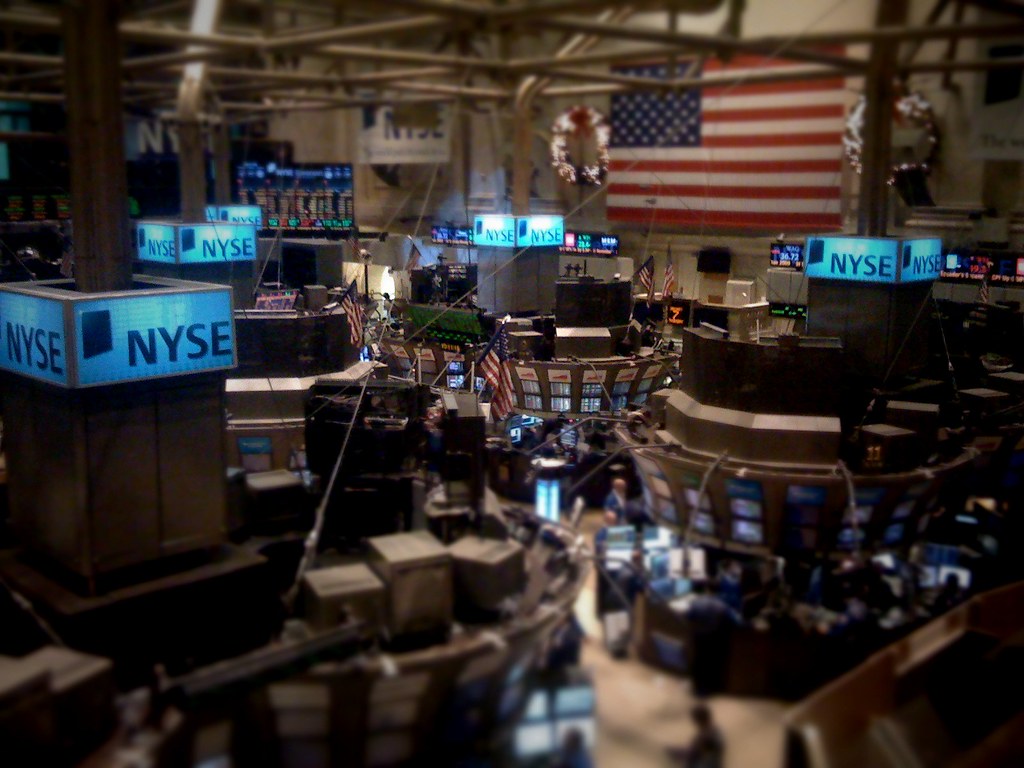
The conflict in Iran has unsettled global financial markets, prompting some investors and market makers to pull back from risk, making trading more difficult and expensive—a development closely monitored by regulators.
Major asset classes, including U.S. Treasuries, gold, and currencies, have all been affected. In Europe, hedge funds—now a dominant force in bond trading—have intensified volatility by rapidly unwinding positions. Over the past month, investors have at times struggled to obtain pricing or execute trades, as market makers grew wary of holding positions that could quickly turn unprofitable.
Traders say transactions are taking longer, often requiring orders to be broken into smaller sizes. Bid-ask spreads have widened, increasing trading costs and prompting many investors to scale back their positions. Volatility indicators across equities, bonds, oil, and gold have surged to levels seen during past market crises.
Even typically deep and liquid government bond markets have shown signs of strain, as inflation concerns weigh on sentiment. In the U.S. Treasury market, the gap between bid and ask prices for newly issued two-year notes widened significantly in March, signalling that dealers are demanding higher compensation for taking on risk.
Although such stress is not unusual during periods of turmoil, trading conditions have tightened as investors shift toward cash and reduce exposure. Liquidity has been affected as both buy-side and sell-side participants absorb losses, leaving fewer active players in the market. While trading volumes remain high, analysts say much of the activity reflects forced unwinding of positions rather than new investments.
In Europe, sharp bond sell-offs have highlighted the growing influence of hedge funds, which now account for a substantial share of trading volumes. While they provide liquidity in stable conditions, their tendency to crowd into similar trades can amplify volatility when markets turn. Losses on bets related to interest rates, yield curves, and bond spreads triggered simultaneous exits, further widening spreads and increasing market stress.
Market makers continue to compete for business, but pricing dynamics have shifted. Larger trades now carry wider spreads to reflect heightened risk, while smaller trades may see tighter pricing as dealers vie for reduced client flows. In some cases, however, liquidity has thinned significantly—particularly in gold markets—where market makers have occasionally stepped back altogether.
Despite gold’s traditional role as a safe haven, its price has dropped sharply following a strong rally earlier in the year. Traders say the priority for many participants now is not to generate profits, but to avoid losses, leading to reduced willingness to engage in the market.
Click here for more on Finance and Investing