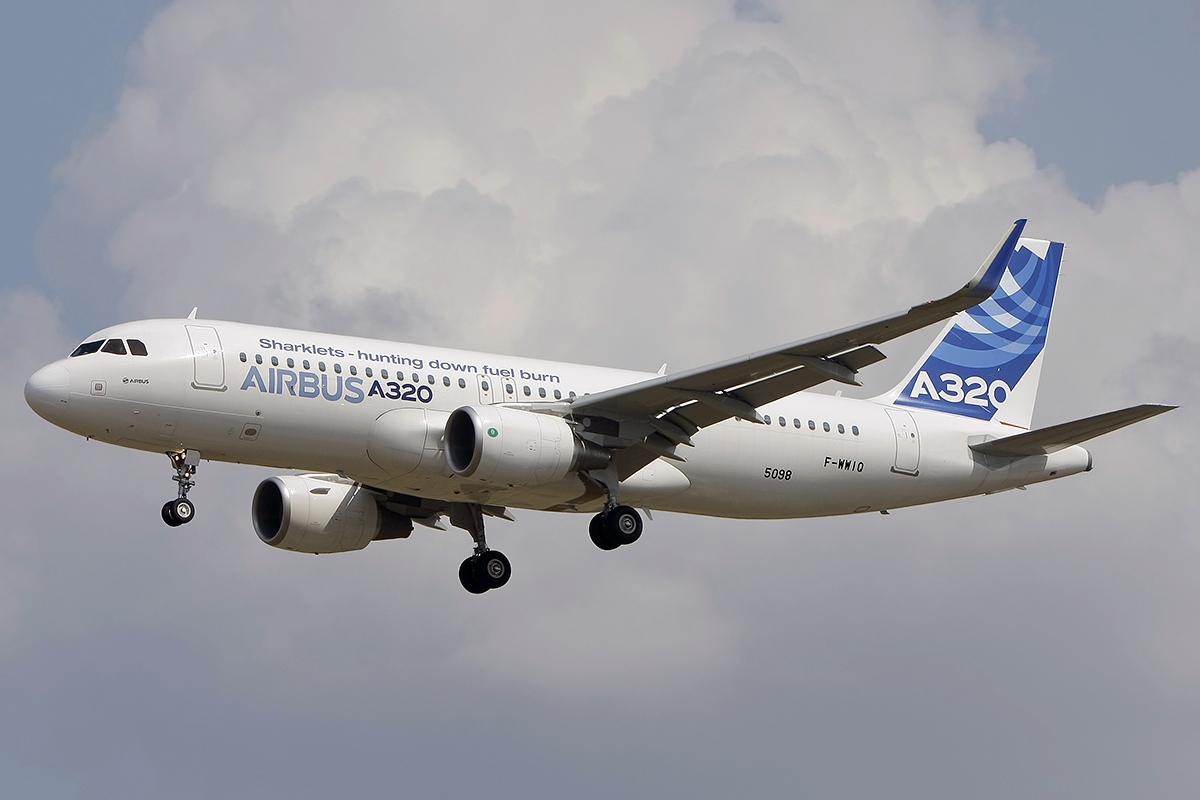
A fresh wave of hoax bomb threats targeted European airlines on Thursday morning, disrupting flights from Ireland to Bulgaria for the second time this week. At least 25 flights were affected, with some aircraft forced to make unscheduled landings or escorted by fighter jets.
Although no country has officially identified those responsible, the incidents come amid growing concerns among European governments over alleged Russian involvement in sabotage operations and so-called hybrid attacks. Such activities are often relatively inexpensive, difficult to attribute and designed to avoid triggering a direct military response.
Denmark, Poland and Romania, which experienced disruptions on Thursday, have previously accused Moscow of involvement in hostile activities. Germany also blamed Russia for an attack on Leipzig airport in August. The UK has previously pointed to Russian involvement in similar incidents, while linking Iran to a suspected plot targeting a US air base. Both Moscow and Tehran have denied any involvement.
Eric Schouten, head of aviation security group Dyami, said many of the countries affected by the latest threats are supporters of Ukraine. He warned that the incidents could form part of a broader hybrid warfare strategy targeting multiple sectors, including transport, retail, healthcare, energy, internet infrastructure and aviation.
Flights disrupted across major European cities
Bulgaria’s air force said fighter jets escorted three passenger aircraft to the ground. Ryanair flights from Copenhagen and Madrid landed in Sofia as scheduled, while a service from London was diverted to Plovdiv, the country’s second-largest city.
In Spain, authorities received three bomb threat emails within less than 20 minutes from around 9 a.m. local time. The threats involved two Air Europa flights travelling from Madrid to Paris and four incoming Iberia services from Rome and Milan, according to the Guardia Civil.
Several aircraft were temporarily stopped or returned to their parking positions, while passengers were evacuated as security inspections were carried out.
In Prague, two EasyJet flights from the UK, along with services from Ireland and Greece, landed safely despite receiving threats. Czech police assessed the warnings as having a low level of credibility.
Italy’s air force escorted a Finnair aircraft travelling from Helsinki to its scheduled landing in Rome, while airport authorities reported no disruption to operations. Another Finnair flight, operated by Jettime, landed safely in Vienna following a similar threat. Italian news agency ANSA also reported that two aircraft landed safely in Milan after receiving warnings.
A LOT Polish Airlines flight from Warsaw to Brussels continued as scheduled following a security alert. Separately, a Warsaw-to-Paris service was stopped while taxiing for take-off, and passengers were moved to another aircraft as a precaution.
A Wizz Air flight from Milan landed safely in Bucharest, Romania, according to the country’s intelligence agency. Italian media also reported that another Wizz Air service travelling from Milan to Warsaw was diverted to Vienna. Meanwhile, Aer Lingus flight EI402 from Dublin to Rome landed safely at Evreux airport, approximately 100 kilometres west of Paris.
In Denmark, a military bomb disposal unit searched two aircraft at Copenhagen airport but found no explosive devices, police said.
Concerns over wider infrastructure disruptions
Eliran Almog, chief executive of aviation cybersecurity company Cyviation, said repeated bomb threats could be intended not only to disrupt airline operations but also to assess how carriers, airports and national authorities respond to security incidents.
He noted that the aviation threats were occurring alongside cyberattacks targeting supermarket refrigeration systems in several European countries. Such incidents affecting essential services can generate economic losses and weaken public confidence, he added.
The latest developments follow similar threats on Tuesday, when at least seven flights and a cruise ship received bomb warnings, causing disruption at airports across Europe. No explosive devices were found.
Separately, unidentified hackers reportedly disrupted supermarket refrigeration systems in several European countries for the second time this week. French blood banks were also affected by cyberattacks, according to the country’s health ministry.
Together, the incidents have intensified concerns about the vulnerability of critical infrastructure and the potential for coordinated disruptions across Europe’s essential services.
Click here for more on World News