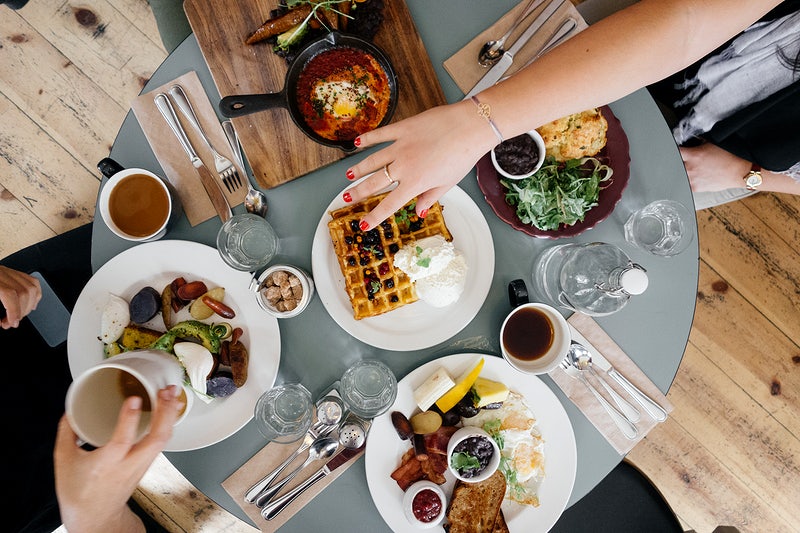
The ongoing conflict in Iran is putting significant pressure on Dubai’s high-end culinary scene, as the closure of the Strait of Hormuz and rising air freight costs disrupt essential supply chains. Chefs who rely on imported perishables—such as Mexican tomatillos or Japanese seafood—are facing shipping surcharges of up to 70%. To manage these rising costs, many restaurateurs, including Shaw Lash of Lila Molino and Kelvin Cheung of Jun’s, are scaling back production, purchasing smaller quantities, and pivoting toward locally sourced ingredients to keep menus viable.
The disruption comes at a critical time for the UAE’s $9.5 billion restaurant market, which was originally projected to grow by 20% this year. Instead, industry data reveals a 27% drop in demand and a 13% spike in supplier costs compared to last year. While residential eateries have shown some resilience, establishments in tourist-heavy and business districts are struggling with a sharp decline in international visitors. In response, Dubai authorities have introduced economic support measures and dining campaigns to encourage domestic spending.
Despite these headwinds, there are emerging signs of stability following the April ceasefire. Many operators are utilizing creative formats, such as meal kits and discounted set menus for the upcoming Restaurant Week in May, to maintain their customer base. While experts suggest the war has forced a necessary market correction for a saturated industry, local chefs remain cautiously optimistic that normalcy and tourist footfall will gradually return as regional tensions ease.
Click here for more on Lifestyle