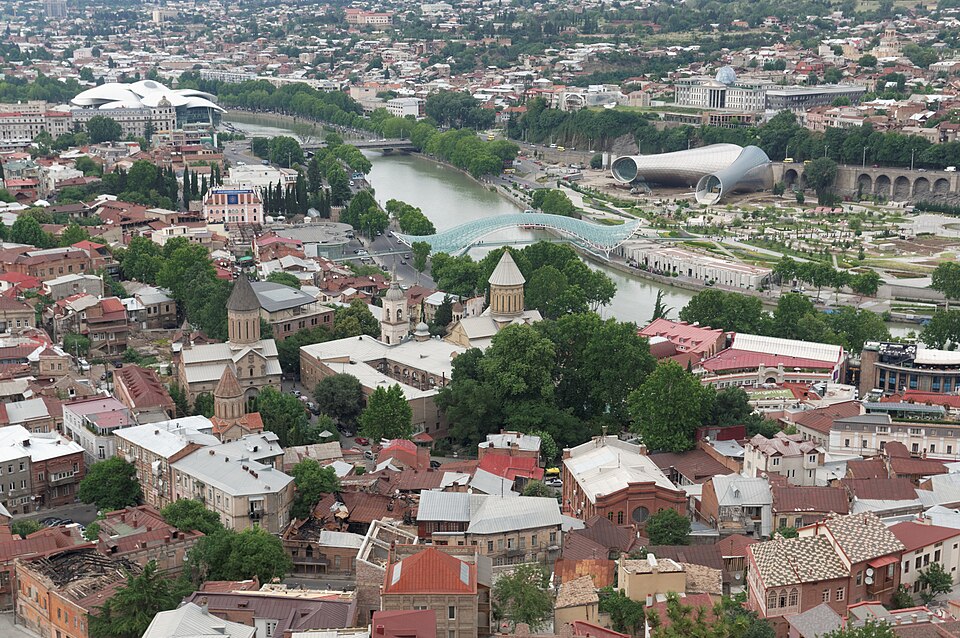
Infrastructure upgrades beneath Rustaveli Avenue in Tbilisi have uncovered a 10th-century ceramic workshop, yielding some of the oldest medieval pottery fragments ever recovered in the Georgian capital. The excavation, situated six meters below the city’s central thoroughfare, was initiated as part of a municipality project to upgrade pedestrian access and signage ahead of a November deadline. While the ongoing roadworks have drawn public criticism over traffic disruption and safety concerns regarding excavated materials, the site has provided historians with valuable material evidence from a transformative era when Tbilisi operated as a key economic hub along the Silk Road under Arab governance.
Preliminary decorative analysis dates the ceramic artifacts to the 10th and 11th centuries, an era marked by shifting control between regional powers, including the Umayyad, Abbasid, and Seljuk authorities. National Museum Director David Lordkipanidze emphasized that the findings underscore the city’s historically multicultural and commercial identity, shaped by centuries of trade and successive foreign rule. The recovered artifacts will be transferred to the National Museum for digital scanning and structural evaluation, offering rare archival context into medieval craftsmanship while city crews continue round-the-clock restoration efforts above.
Click here for more on Lifestyle