Saudi Arabia’s state-owned oil giant Aramco reported a 34.5% year-on-year increase in third-quarter net profit on Tuesday, supported by higher revenues and the completion of its exit from a joint venture, despite repeated attacks on its energy infrastructure.
The world’s largest oil exporter posted a net profit of $36.25 billion for the three months ended September 30, compared with $26.9 billion in the corresponding period last year. This was also higher than the $32.7 billion recorded in the second quarter.
Adjusted net income reached approximately $31.2 billion, surpassing the median analyst estimate of $30.66 billion based on forecasts from 12 analysts shared by the company.
Despite disruptions to production caused by the US-Iran conflict, higher crude oil prices helped offset the impact of lower output volumes.
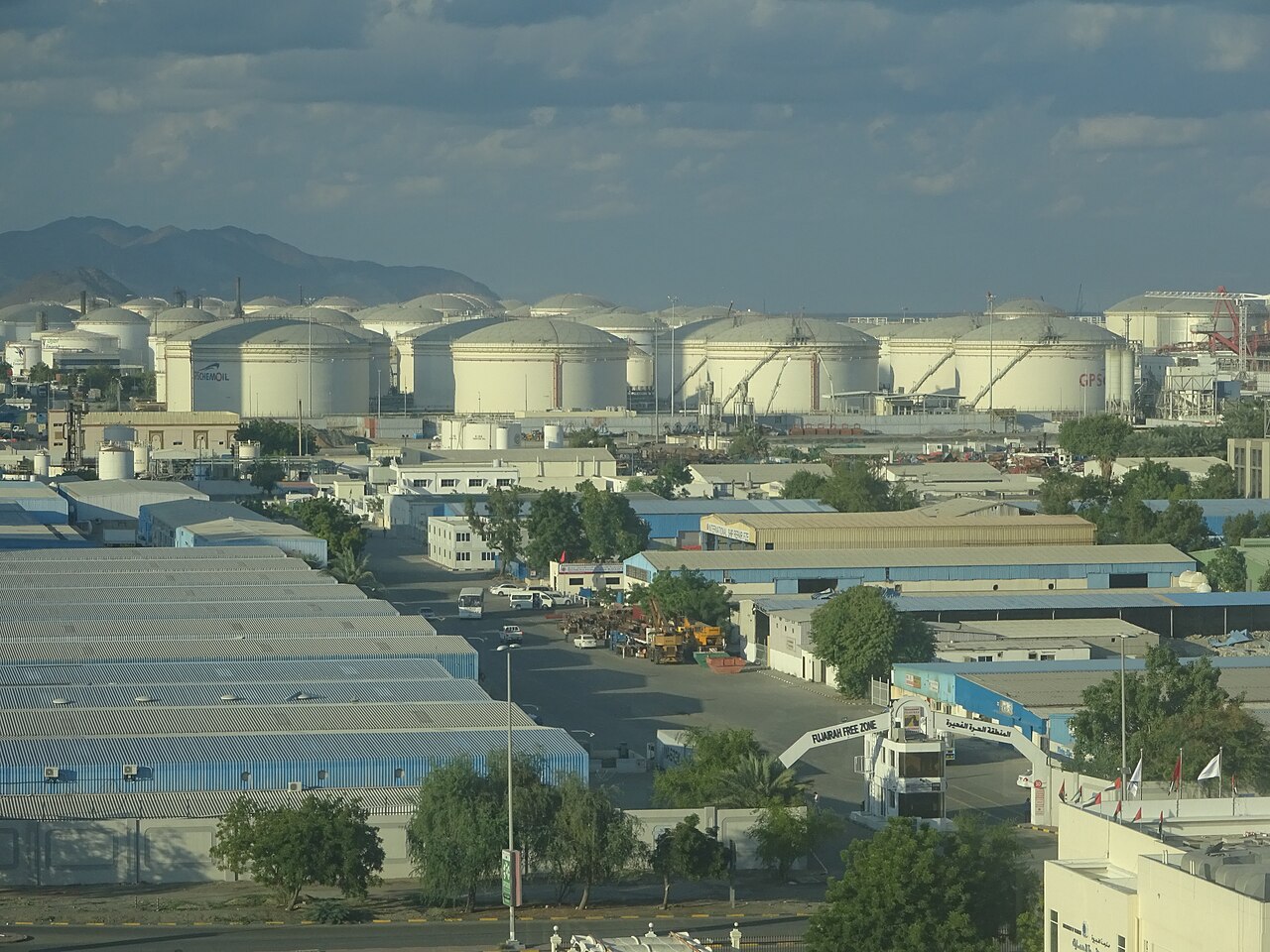
Aramco has continued exporting crude through its eastern terminals in the Gulf, as well as its western terminals along the Red Sea, using the East-West pipeline. Chief Executive Amin Nasser has described the pipeline as a critical supply route for the kingdom.
The pipeline increased its throughput following the outbreak of the conflict in late February, when the US and Israel launched strikes against Iran. However, it has faced several attacks during the conflict. Other Saudi energy facilities and Aramco’s headquarters have also been targeted amid renewed hostilities involving Yemen’s Iran-backed Houthi movement.
Energy supply challenges persist
Nasser said geopolitical instability and attacks on critical energy infrastructure had intensified pressure on global energy supplies. He added that Aramco had maintained reliable deliveries to customers despite the challenging operating environment.
The company is also assessing opportunities to expand overseas storage facilities and develop alternative export routes to strengthen supply security.
Aramco reported supply reliability of 97.8% in the third quarter, down from 99.9% in the same period last year and 98.4% in the previous quarter. The company attributed its ability to maintain operations to the rapid restoration of loadings in the western region following disruptions to the East-West pipeline, supported by its multi-line configuration.
Saudi Arabia’s crude oil production stood at approximately 8 million barrels per day (bpd) in September, according to secondary sources cited in OPEC’s latest monthly report. This compares with slightly more than 10 million bpd before the conflict began.
Although Aramco does not disclose its standalone crude production figures, its average total hydrocarbon output reached 11.05 million barrels of oil equivalent per day (boepd) in the third quarter, down from 13.3 million boepd a year earlier. Total liquids production also declined to 8.7 million bpd from 10.8 million bpd.
The average realised crude oil price increased to $95.20 per barrel during the quarter, compared with $70.10 a year earlier. However, it remained below the $108.10 recorded in the second quarter.
Aramco announced a base dividend of $21.9 billion for the third quarter, maintaining the same payout level as the previous two quarters and remaining on track with its anticipated annual distribution.
In September, the company completed the sale of its 50% stake in Malaysia-based PRefChem refining and petrochemical joint ventures to its partner, Petronas.
Meanwhile, Aramco said the second phase of its Jafurah unconventional gas development remains on schedule for completion next year. The project is expected to achieve gas production capacity of 2 billion standard cubic feet per day by 2030.
The company also confirmed that production has commenced at its Zuluf crude oil development, which is expected to reach processing capacity of up to 600,000 barrels per day by the end of 2026.
Click here for more on Business