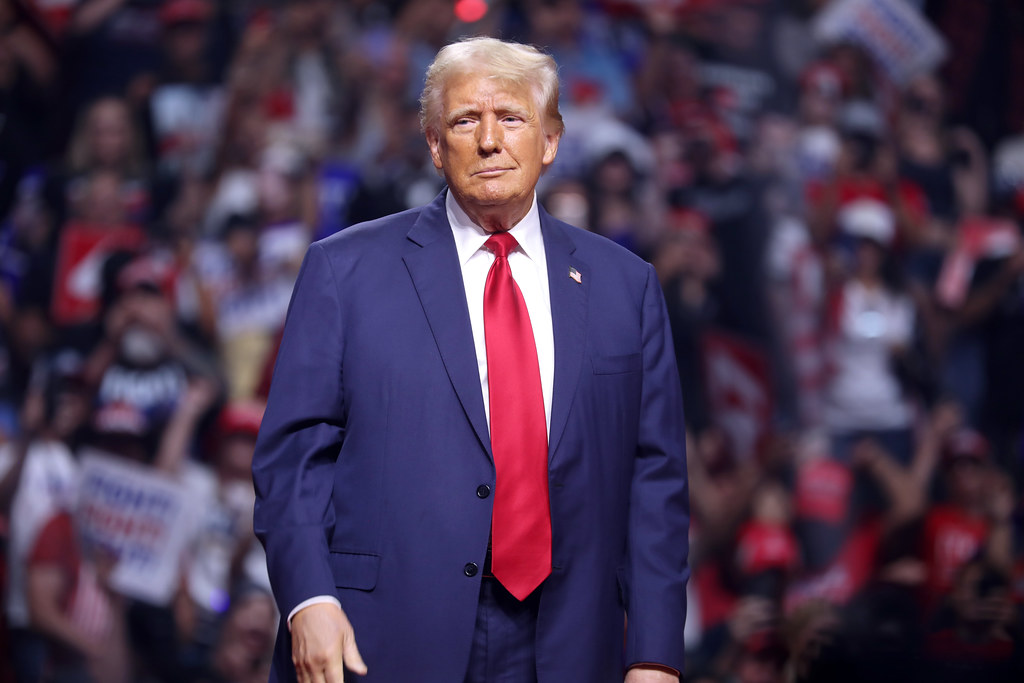
U.S. President Donald Trump has pledged to inflict severe economic damage on Iran, following statement by Treasury Secretary Scott Bessent that Washington plans to introduce unprecedented punitive measures. Since the outbreak of conflict in February 2026, the U.S. has intensified its pressure campaign—which already includes a naval blockade and sanctions on over 1,000 individuals, vessels, and entities—by targeting Iran’s “shadow” oil fleet, shipping insurers, weapons suppliers, and an estimated $500 billion in crypto exchanges.
Sanctions experts indicate that the administration could pursue several high-impact options to further isolate Tehran:
-
Targeting Chinese “Teapot” Refineries: China purchases over 80% of Iran’s seaborne crude, much of it absorbed by small, independent refineries. While secondary sanctions could deter larger buyers, many smaller refiners have minimal exposure to the U.S. financial system, limiting the effectiveness of American leverage.
-
Sanctioning Major Chinese Financial Institutions: Treasury officials have warned two undisclosed major Chinese banks that secondary sanctions could be applied if they facilitate Iranian transactions. While targeting these banks could sever Iran’s primary financial lifelines, Washington remains cautious, fearing economic retaliation from Beijing—particularly regarding access to critical minerals.
-
Expanding “Whack-a-Mole” Enforcement & Air Blockades: U.S. officials may increase enforcement against shell companies, currency exchangers, and aviation networks that bypass the Strait of Hormuz naval blockade. However, analysts note that Iran frequently replaces banned entities with new ones to sustain trade.
-
Enforcing a Land Blockade: Proponents have suggested restricting trade along Iran’s land borders with neighbors like Turkey and Pakistan, using diplomatic leverage such as defense agreements or financial swap lines. Experts caution that mountainous terrain and complex regional politics make a full land blockade difficult to enforce.
-
Applying Secondary Tariffs: The Trump administration may utilize tariff authorities to penalize third-party nations trading with Iran. While the Senate recently passed legislation granting new tariff powers targeting entities aiding Tehran, the bill faces an uncertain path in the House of Representatives.
Click here for more on World News