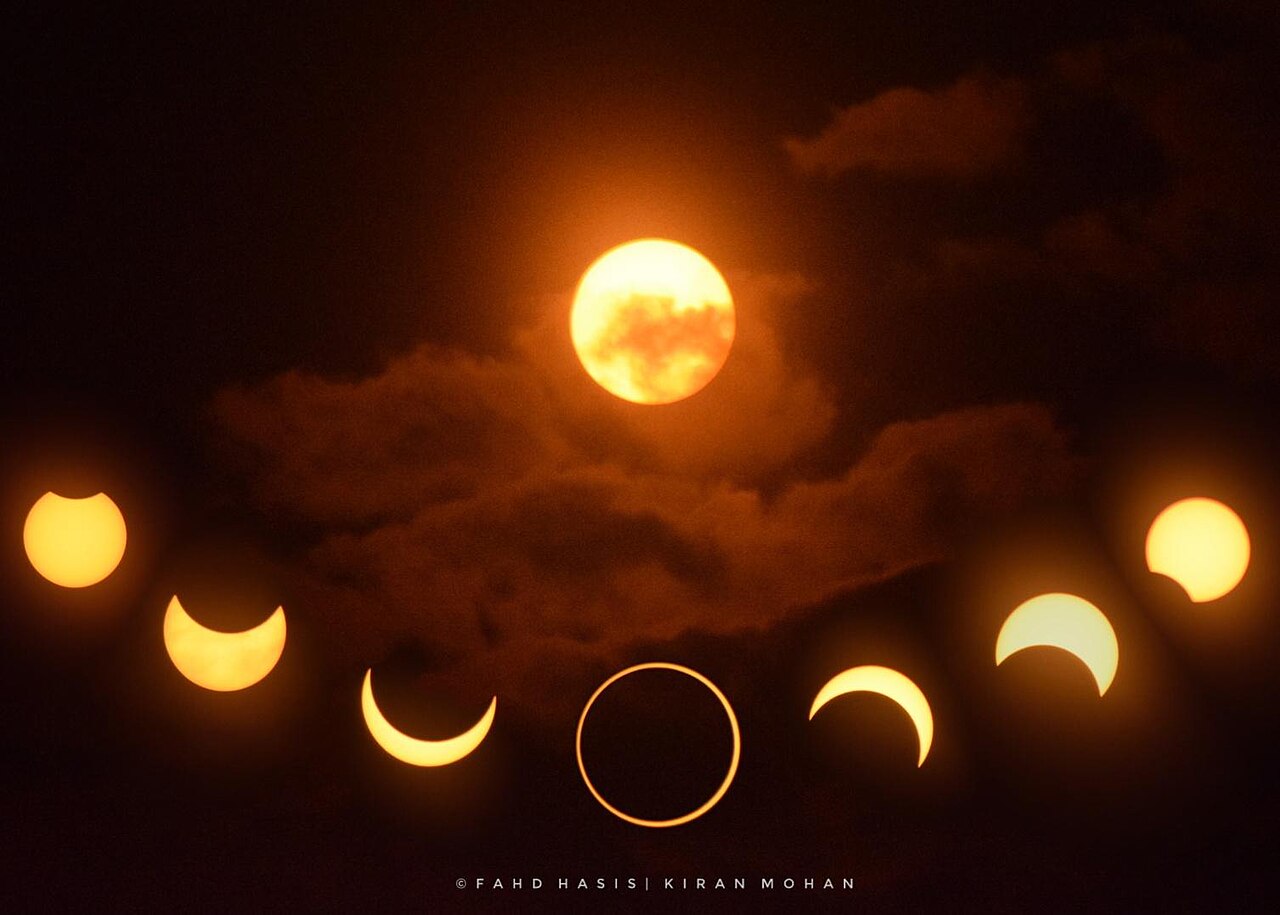
Millions gathered across Iceland and northern Spain on Wednesday to witness Europe’s first total solar eclipse in 27 years, though Spanish authorities urged extreme caution due to heightened wildfire risks driven by an ongoing heatwave.
Massive Security and Public Safety Effort in Spain
With up to 6 million visitors expected to flood rural zones across northern Spain and the Balearic Islands within the path of totality, Spanish officials launched a major logistical and security campaign. Interior Minister Fernando Grande-Marlaska announced the deployment of 25,000 police officers alongside nearly 100 aircraft to maintain order and safeguard against fire hazards.
Authorities established hundreds of designated viewing locations, urging spectators to avoid restricted natural parks due to severe heat and extreme wildfire danger. Beyond safety concerns, Spain views the celestial event as an opportunity to promote interior tourism away from its congested coastal resorts. Adding to the spectacle, the eclipse will occur just before sunset, offering a unique visual experience.
Eclipse Fever Strikes Iceland
In Iceland, protective eclipse glasses sold out days in advance as the country of roughly 400,000 residents prepared for up to 80,000 incoming travelers. Totality was set to hit Iceland’s westernmost coast around 5:44 p.m. GMT, lasting up to 2 minutes and 13 seconds in the far west before tracking east.
Despite predictions of heavy cloud cover and rain across much of the path, enthusiasm remained high. Cultural events were organized, including a DJ set by singer Björk, while scientific institutions took advantage of the occasion: NASA arranged high-altitude aircraft flights and balloon launches from Iceland to study atmospheric changes caused by the rapid drop in sunlight and temperature.
Rare Celestial Cycle
The event attracted global “eclipse chasers” and first-time observers alike, drawn by the rarity of the phenomenon. For Spain, this event marks the beginning of the “Iberian Eclipse Trio,” with the peninsula set to experience another total eclipse on August 2, 2027, followed by an annular eclipse in January 2028.
Click here for more on Lifestyle