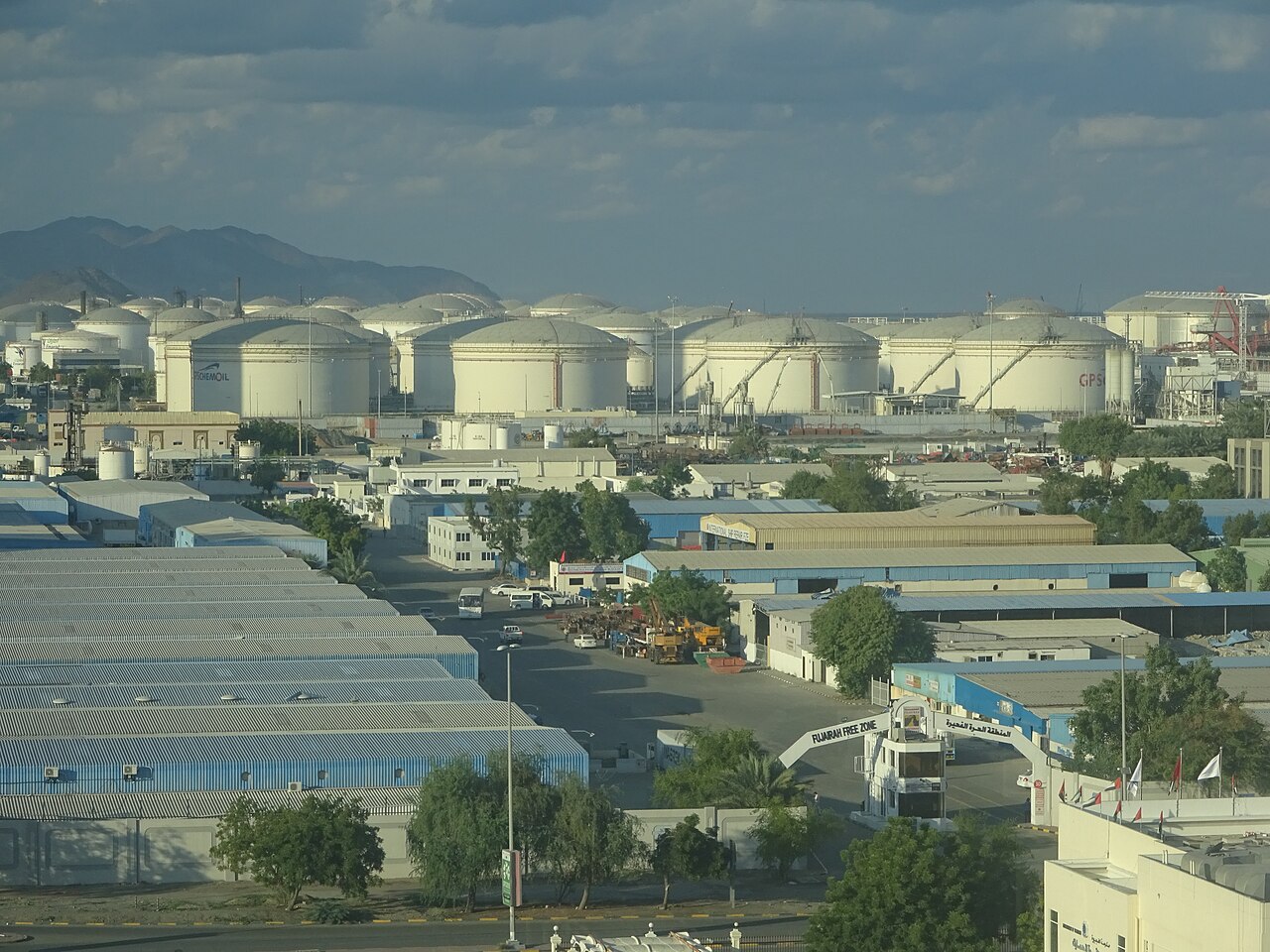
Robust market fundamentals and steady tenant demand continue to underpin the UAE’s industrial and logistics real estate sector, according to JLL’s Q2 2026 Industrial Market Dynamics report. Although the swift rate of rental expansion has started to normalize, both Dubai and Abu Dhabi sustained solid leasing activity through the second quarter. Strategic national initiatives designed to reinforce supply chain security and bolster local manufacturing are boosting investor trust and solidifying the country’s economic standing, presenting a positive medium-term trajectory despite broader regional headwinds and supply chain challenges.
JLL’s Middle East and Africa CEO, Mouhammad Takieddin, highlighted that the sector’s positive outlook reflects a transition toward mature, long-term expansion. With prime industrial zones running near full capacity, upcoming deliveries of high-quality Grade A space, and state-backed manufacturing programs are expected to elevate the UAE’s role as a leading global trade and logistics network.
Rental values across both key emirates retained upward momentum in Q2. In Dubai, industrial rents rose 6.8% year-over-year (and 2.3% quarter-over-quarter) to AED 49 per square foot. Abu Dhabi posted a 5.0% annual increase, reaching AED 486 per square meter. While Abu Dhabi’s rental cap policies have tempered steep rate hikes, persistent supply constraints for Grade A properties allow landlords to maintain strong positioning. To close deals amid prevailing economic uncertainties, landlords are offering flexible lease structures alongside selective rent discounts of up to 15% in specific locations.
Dubai’s market strength was further underlined by a 4.3% annual increase in lease registrations in Q2, propelled by an 11.2% year-on-year surge in lease renewals. This high retention rate points to long-term commitment from existing market operators. While total contract registrations experienced a slight quarter-on-quarter easing, analysts interpret the moderation as a cautious, calculated approach by companies managing operational capacity rather than a loss of market confidence.
Looking forward, state-driven infrastructure and supply chain strategies are projected to speed up the sector’s evolution. Key developments—such as DP World’s new east coast port project and the AED 1 billion National Industrial Resilience Fund targeting the localization of over 5,000 critical products—are set to boost domestic production. Coupled with regulatory frameworks promoting “Made-in-UAE” goods across commercial channels, these investments are expected to generate sustained demand for industrial facilities and logistics infrastructure over the coming years.
Click here for more on Business