An attack on a U.S.-owned floating storage tanker in Damietta, Egypt, caused explosions and fires at a Mediterranean natural gas loading port, signaling a potential widening of the regional conflict. The strike came amid a sharp escalation after joint U.S. and Saudi airstrikes targeted Iran-backed paramilitaries across Iraq, killing at least 20 members of the Popular Mobilization Forces. The joint operation marks Saudi Arabia’s first public involvement in direct strikes alongside Washington, launched in retaliation for drone attacks on Saudi energy infrastructure. In response to the renewed fighting and Iranian strikes targeting U.S. bases in Jordan and tankers near the Strait of Hormuz, Brent crude futures surged over 8%, pushing oil prices well above $90 a barrel.
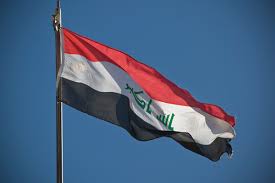
The escalating strikes have placed severe pressure on Iraq’s fragile government under Prime Minister Ali al-Zaidi, which maintains ties with both Washington and Tehran. While the Iraqi presidency condemned the U.S.-Saudi action as a violation of sovereignty, U.S. President Donald Trump stated that Washington coordinated the operation with Iraqi officials—a claim that drew immediate threats from local militias like Kataib Hezbollah. With the collapse of a June interim agreement regarding control of the Strait of Hormuz, the military campaign launched under “Operation Epic Fury” has entered its fifth month with no clear end in sight.
Click here for more on World News