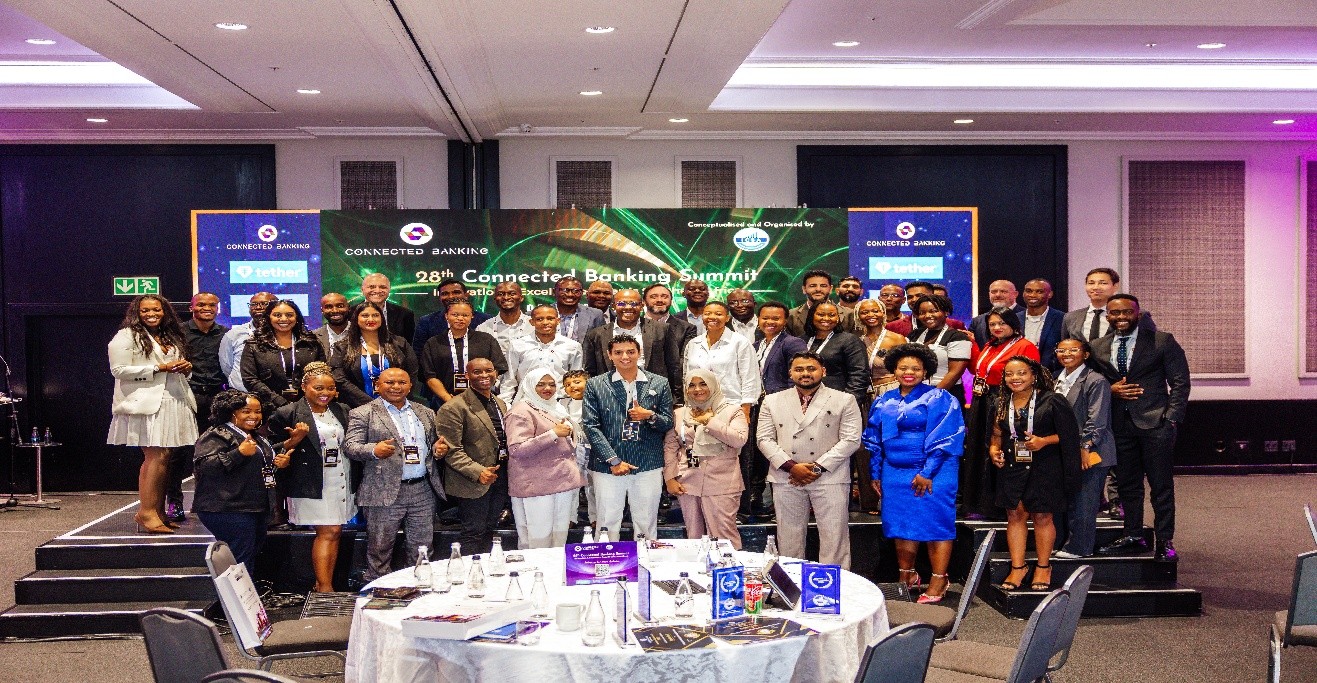
While artificial intelligence is increasingly popular for investment research throughout Asia, only 8% of investors use the technology to finalize major financial decisions. Speaking at a industry summit in Singapore, Ashmita Acharya, HSBC Singapore’s head of international wealth and premier banking, noted that 73% of investors worldwide deploy AI for routine financial tasks. However, she emphasized a distinct divide between using AI to gather information or seek a second opinion and relying on it to make final portfolio choices. This trend holds true even in tech-literate Singapore, where 76% of investors use AI tools, but a mere 12% credit the technology as the primary influence behind their financial decisions.
Acharya observed that because sophisticated clients can easily access and consume AI-generated data, basic information has ceased to be a competitive advantage for wealth managers; instead, the value lies in how that data is interpreted. Traditional sources remain dominant, with 62% of investors attributing their latest market decisions to financial professionals and institutions, and 37% labeling institutions as their most influential guide. This hesitation to trust AI entirely stems from a need for reassurance, as human advisors are still required to challenge automated assumptions, contextualize market data, and build client confidence.
This reliance on technology spans across generations rather than being confined to younger demographics. In Singapore, AI adoption for financial tasks reaches 72% among both Gen X and Baby Boomers, outpacing their respective global averages of 65% and 59%. Looking forward, 58% of Singaporean investors express a preference for a hybrid wealth management model that combines AI capabilities with human oversight, mirroring the 57% global average.
Acharya concluded that the future of the wealth sector depends on a blended approach where AI automates background research and preparation, giving advisors more time for strategic, client-facing discussions. Because better-informed clients now demand a higher level of strategic expertise, human professionals must add value by exercising judgment, validating client choices, and correcting automated errors. Ultimately, the goal for modern financial institutions is to redefine the wealth advisory experience by blending technology with human insight rather than replacing advisors altogether.
Click here for more on Finance and Investing