South Korean Chip Giants Pledging $2 Trillion to Drive Massive AI Expansion Despite Oversupply Risks
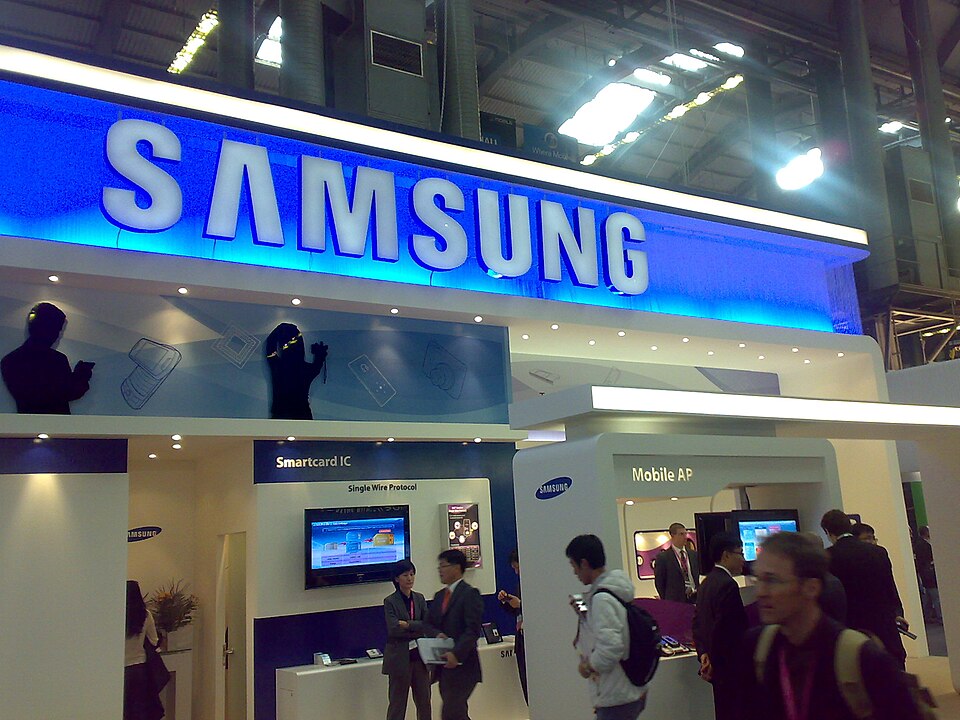
Samsung Electronics and SK Hynix are heavily backing the global artificial intelligence boom with unprecedented investment pledges totaling 3,200 trillion won ($2.07 trillion). This aggressive capacity expansion has earned high praise from President Lee Jae Myung, signaling a sharp pivot from the chipmakers’ historically conservative approach to infrastructure spending—a restraint shaped by decades of volatile boom-and-bust cycles in the memory sector. Under this accelerated initiative, the South Korean government aims to double the nation’s memory chip production capacity within five years, pledging to fast-track regulatory approvals to expedite construction at the primary Yongin semiconductor cluster and a newly proposed 800 trillion won chip cluster in the country’s southwest.
Driven by their dominant market share in high-bandwidth memory (HBM) chips—which are integral to next-generation AI processors—both companies have seen their valuations surge, with SK Hynix up 307% and Samsung Electronics gaining 179% so far this year. Tech hyperscalers and consumer electronics companies like Apple are intensifying pressure on the supply chain amid a persistent global shortage that nearly doubled memory prices in the first quarter alone. However, industry analysts note that semiconductor fabrication plants require years to construct, meaning the bulk of this newly planned capacity will not become operational until well into the next decade. Morningstar analyst Jing Jie Yu cautioned that accelerating long-term capital expenditures heavily amplifies the threat of a severe market glut if the massive data center investments from AI hyperscalers begin to cool down.
Furthermore, academics and research experts express concern that these monumental investment decisions were pushed through too rapidly under political pressure. Prior downturns have historically caused severe financial distress for both companies, including massive losses in 2023 and near-bankruptcy for SK Hynix in 2001. Just two months ago, SK Hynix Chairman Chey Tae-won publically expressed skepticism regarding building manufacturing facilities in the southwestern region, an area heavily favored by the current ruling party for regional economic diversification. While neither chipmaker explicitly detailed the reason for their sudden change of heart, Nomura analyst CW Chung suggested that expanding across multiple regions could serve as a strategic hedge against localized development delays in Yongin.
Despite these underlying anxieties, market experts believe the tech giants possess the operational maturity to navigate potential downturns. CLSA senior analyst Sanjeev Rana pointed out that memory producers retain the structural flexibility to slow down their spending schedules if initial indicators of an oversupply materialize. Demonstrating this operational agility, Samsung’s long-term plan to invest 2,100 trillion won through 2040 explicitly states that capital outlays will be continuously calibrated to match prevailing market conditions, mirroring its previous decision to pause and later resume construction on its P5 plant in Pyeongtaek. Nevertheless, establishing South Korea as a dominant global AI superpower by 2030 remains a high-stakes strategic priority for the government, with research heads at iM Securities viewing the massive capital commitment as a necessary and decisive bet on the era of AI-driven transformation.
Click here for more on Technology