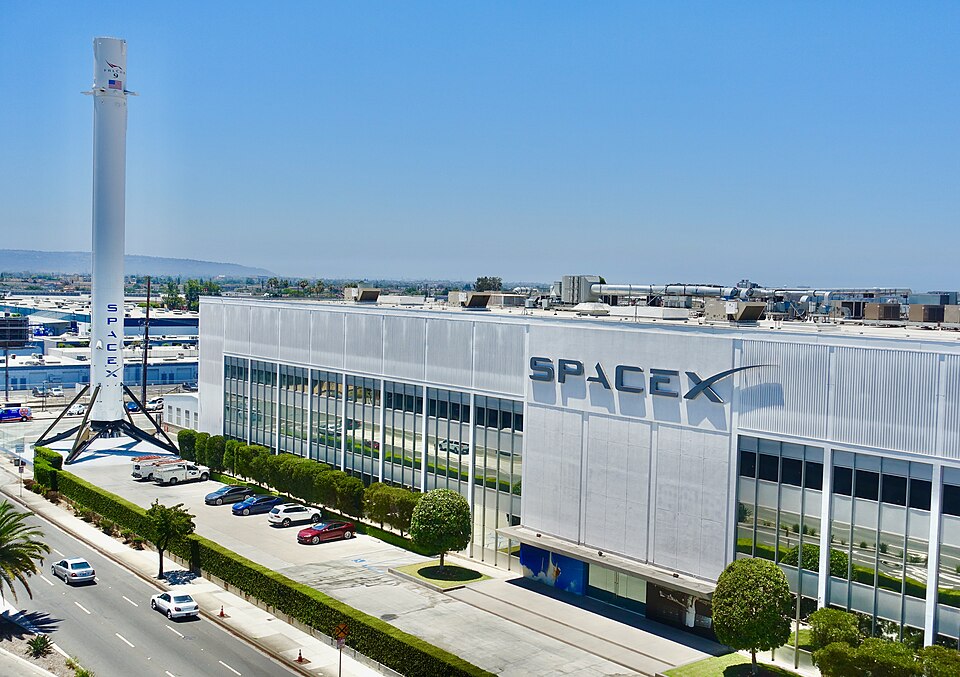
SpaceX has completely upended Wall Street’s traditional initial public offering (IPO) framework by publicly setting its share price at $135 ahead of its landmark listing. This highly unusual strategy of announcing a price a week prior to the official offering underscores Elon Musk’s intent to orchestrate a record-shattering capital raise on his own terms. Through an amended IPO filing, the aerospace giant confirmed its goal to raise an unprecedented $75 billion. The deal values the company at an astronomical $1.75 trillion, a figure that will immediately position SpaceX among the top ten most valuable publicly traded corporations in the United States. Following a roadshow launch, the final pricing is slated for June 11, with Nasdaq trading scheduled to commence the following day.
Musk’s approach bypasses standard market conventions in multiple ways, including orchestrating massive retail investor allocations, targeting rapid stock index inclusion, and securing structural governance to retain strong founder control. Despite eye-watering valuation multiples, major financial institutions are aggressively vying for a piece of the historic deal, which is expected to generate millions in banking fees. Because SpaceX spans aerospace, telecommunications, and defense, it lacks any direct public market peers. This makes its $1.75 trillion target a massive premium, especially given that the company recorded a net loss of $4.94 billion in 2025 despite a 33% revenue surge to $18.67 billion. Analysts note that while a valuation exceeding 90 times revenue is exceptionally high by any normal standard, SpaceX defies traditional market metrics.
The upcoming roadshow represents a sharp departure from typical banking procedures. While institutional books are usually filled by targeting massive asset managers and hedge funds, SpaceX has pressured major global banks—including Mizuho, Deutsche Bank, UBS, and Barclays—to market the offering heavily to wealthy individual buyers overseas. Demand is so high that some institutional investors have been told allotment decisions are being elevated directly to Wall Street CEOs, like Goldman Sachs’ David Solomon. Furthermore, SpaceX is considering allocating up to 30% of the entire offering to retail investors to capitalize on Musk’s dedicated following. While some wealth managers view the immense hype as a spectacle and are bypassing the stock, the sheer scale of the historical offering has given Musk unparalleled leverage over the investment community.
Click here for more on Technology