The International Monetary Fund (IMF) has significantly lowered its growth expectations for the Middle East and North Africa due to the ongoing conflict involving Iran. According to the latest World Economic Outlook, the region’s real GDP growth for 2026 is now projected at just 1.1%, a sharp decline from previous forecasts. While a recovery to 4.8% is anticipated for 2027, the IMF warned this rebound depends entirely on energy production and shipping routes returning to normal within the coming months.
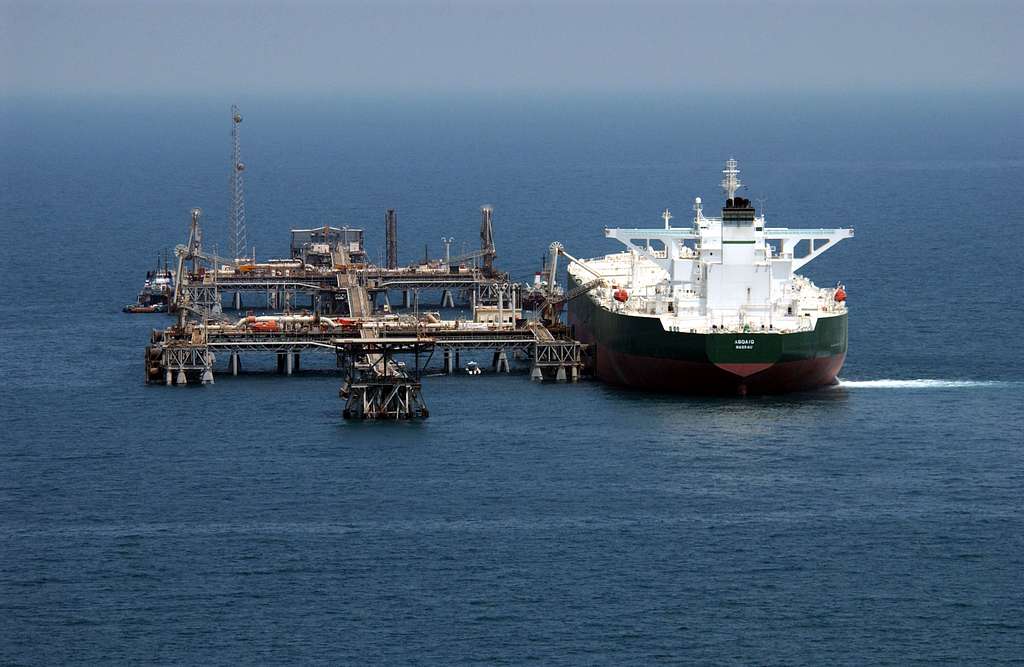
IMF Deputy Managing Director Bo Li highlighted that the region faces unprecedented challenges, with economies already suffering from damaged energy infrastructure and the disruption of the Strait of Hormuz. These disruptions, triggered by escalating strikes between Iran, Israel, and the U.S., have severely impacted global oil and gas flows. The situation remains volatile as diplomatic talks have stalled and a U.S. naval blockade of Iranian ports has commenced.
The downward revisions vary depending on each nation’s reliance on the Strait of Hormuz and the extent of infrastructure damage. Saudi Arabia, the region’s largest economy, is expected to grow by 3.1% this year. While this is a 1.4% decrease from January estimates, the Kingdom is expected to weather the conflict better than many of its neighbors. Conversely, Iran’s economy is projected to contract by 6.1% this fiscal year, while Bahrain, Iraq, Kuwait, and Qatar are also expected to see their economies shrink. Countries like Egypt have seen milder revisions, with growth slowing slightly to 4.2% as they remain somewhat more insulated from the direct energy production fallout.
Click here for more on Finance and Investing