Israeli and U.S. forces launched widespread strikes across Iran on Tuesday, triggering Iranian retaliation around the Gulf and widening the conflict to Lebanon. The escalation jolted global markets and drove oil prices sharply higher.
Four days into the war, U.S. President Donald Trump said American forces had hit numerous Iranian naval and air assets, claiming most key targets had been destroyed. He defended the campaign by saying he believed Iran was poised to strike after talks over its nuclear programme collapsed.
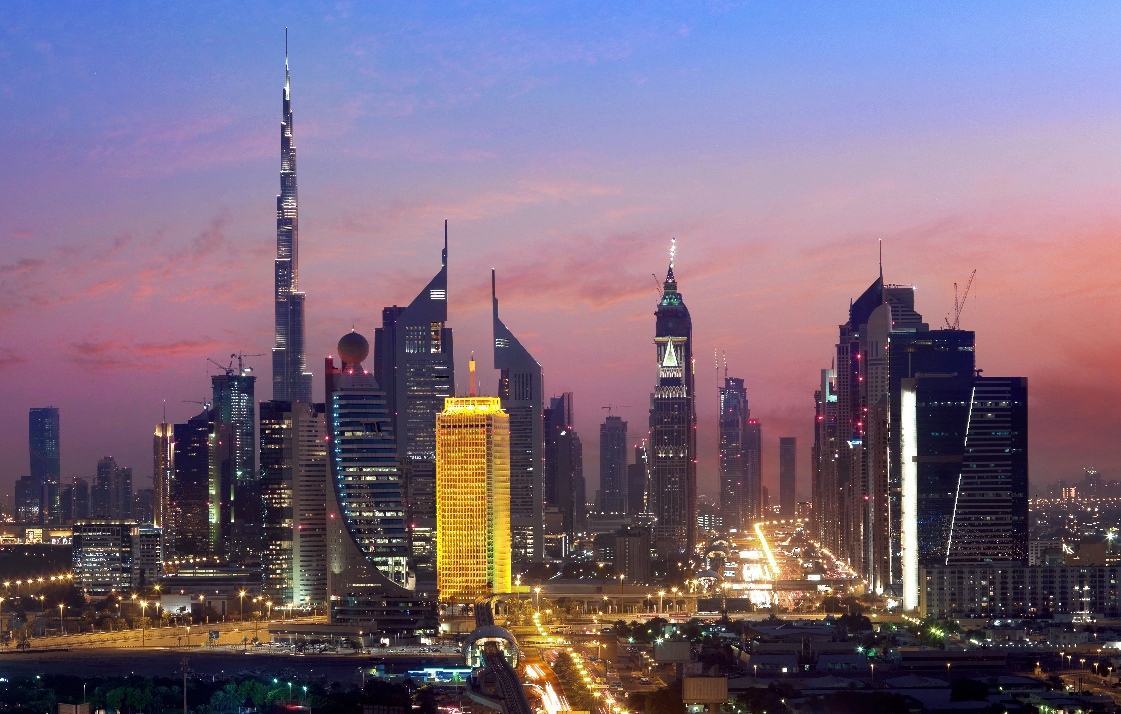
Iran responded with drone attacks on U.S. diplomatic facilities in Saudi Arabia and Kuwait. Washington subsequently closed its embassies in both countries, as well as in Lebanon, and ordered non-essential personnel and families to leave much of the region. Smoke was also seen near the U.S. consulate in Dubai in the United Arab Emirates, though U.S. Secretary of State Marco Rubio said all staff were safe.
A source familiar with Israel’s plans said the campaign, initially expected to last weeks, was progressing faster than anticipated, with senior Iranian figures reportedly killed early on—including Supreme Leader Ali Khamenei.
Tehran was rocked by repeated explosions as Israeli forces struck sites including the state broadcaster IRIB and areas near Mehrabad airport. Iranian outlets reported that a building in Qom housing the Assembly of Experts was also destroyed. Casualty figures were unclear, though Trump said high-ranking officials had died.
As residents fled major cities, Tehran grew eerily quiet. Civilians described nightly bombings, damaged hospitals and mounting fear.
Markets tumble, energy spikes
Global equities fell amid concerns that Middle East supply disruptions would fuel inflation. Crude prices climbed about 5%, whilst European wholesale gas prices surged 40%. U.S. gasoline averaged $3.11 per gallon, according to the American Automobile Association, underscoring consumer cost pressures ahead of November’s midterm elections.
Iran denounced the assault as unprovoked and warned it would target economic infrastructure across the region. Tehran has fired missiles and drones at neighbouring states hosting U.S. bases and effectively choked shipping through the Strait of Hormuz, a passage that carries roughly one-fifth of global oil and LNG supplies.
Qatar halted LNG production, and tankers anchored in the Gulf rather than risk transit. Charter rates for oil tankers from the Middle East to Asia have nearly quadrupled to record highs exceeding $400,000 per day. Trump said the U.S. would provide insurance cover and naval escorts if needed.
Air travel across major Middle Eastern hubs linking Asia, Europe and Africa has also been severely disrupted.
In Lebanon, Iran-backed Hezbollah exchanged fire with Israel, prompting further airstrikes and ground reinforcements in the south. Authorities reported dozens killed. Iran said total fatalities had reached 787, including 165 schoolgirls reportedly killed on the first day of fighting. The U.N. human rights office called for an investigation into the strike.
Whilst some Iranians mourned, others openly celebrated Khamenei’s reported death, reflecting deep internal divisions. Israeli officials have signalled their objective is to dismantle Iran’s governing structure, though U.S. officials say the aim is to curb Tehran’s regional military reach.
In Israel, where Iranian missile attacks have killed 10 people since Saturday, air-raid sirens continued to sound as defence systems intercepted incoming projectiles, sending millions into shelters.
Click here for more on World News