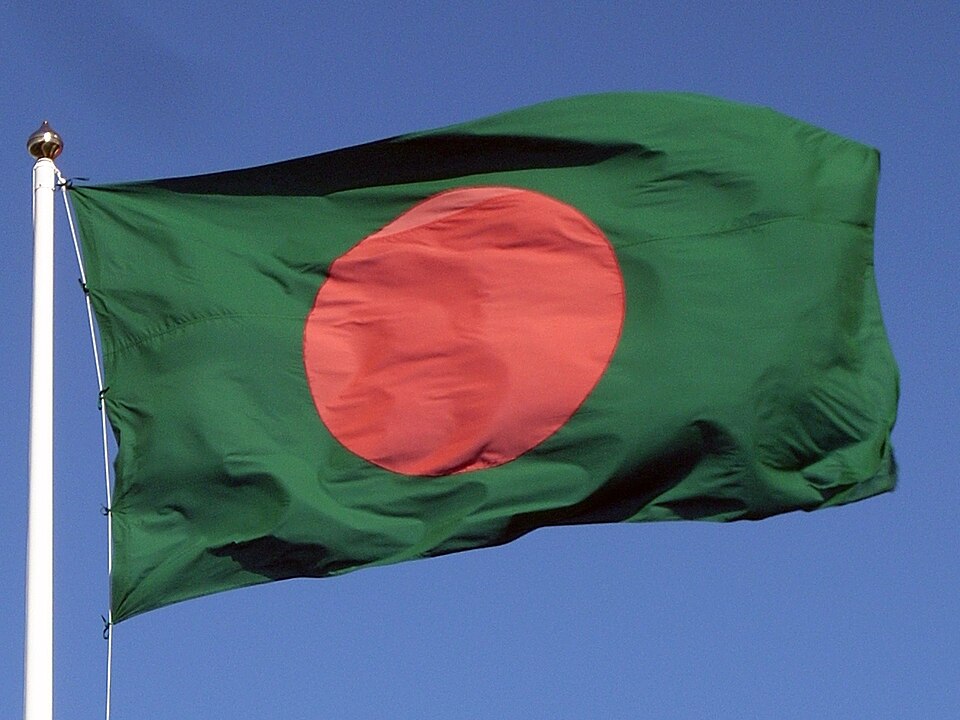
For years under former Prime Minister Sheikh Hasina, Bangladesh’s opposition maintained a limited public presence during elections, often boycotting polls or being weakened by the arrest of key leaders. As the country prepares for Thursday’s vote, the political landscape has shifted dramatically.
Hasina’s Awami League is now banned, and many young activists who played a role in removing her government during the 2024 uprising believe the upcoming election could be Bangladesh’s first genuinely competitive vote since 2009, when her 15-year rule began. The Bangladesh Nationalist Party (BNP) is widely viewed as the frontrunner, though it faces strong competition from a coalition led by the Islamist party Jamaat-e-Islami. A newly formed political movement driven by Gen-Z activists under 30 has aligned with Jamaat after failing to convert its street-level anti-government mobilisation into widespread electoral support.
The BNP is contesting 292 of the 300 parliamentary seats and has expressed confidence in securing enough support to form the next government.
Political observers say a decisive outcome in the February 12 election is crucial to restoring stability in the nation of 175 million people, following months of unrest after Hasina’s removal. The political transition disrupted major industries, including the garments sector, one of the world’s largest export industries. The election results are also expected to shape the future influence of regional powers China and India in Bangladesh.
Surveys suggest the BNP holds a slight advantage, although a large portion of voters remains undecided. Analysts note that the voting preferences of Generation Z, which makes up about one-quarter of the electorate, could play a decisive role.
Campaign materials across the country reflect the changing political environment. Posters and banners featuring the BNP’s “sheaf of paddy” symbol and Jamaat’s “scales” are widely displayed, along with materials from independent candidates. Party offices and street stalls are actively promoting campaign songs and messages, contrasting sharply with past elections when the Awami League’s “boat” symbol dominated public spaces.
Polling indicates that Jamaat, once banned and historically opposed to Bangladesh’s 1971 independence from Pakistan, could achieve its strongest electoral showing to date, even if it falls short of forming the government.
The election is also expected to influence Bangladesh’s geopolitical alignment. China has strengthened its position in the country since Hasina, widely regarded as maintaining close ties with India, fled to New Delhi after her removal and remains there. While India’s influence appears to be declining, some analysts view the BNP as relatively more aligned with India than Jamaat.
A government led by Jamaat could potentially shift Bangladesh’s diplomatic focus closer to Pakistan, analysts suggest. Leaders of Jamaat’s Gen-Z allied movement have also expressed concerns about India’s dominance in Bangladesh and have held discussions with Chinese diplomats. Jamaat has maintained that it does not favour alignment with any specific country.
BNP leadership has stated that it would pursue constructive relations with any country offering beneficial partnerships for Bangladesh.
The country continues to face economic challenges, including high inflation, declining foreign reserves and slowing investment, which have driven Bangladesh to seek substantial external financing since 2022, including support from global financial institutions.
Surveys show corruption as the top concern among Bangladesh’s 128 million voters, followed by inflation. Analysts suggest Jamaat’s reputation for relatively clean governance may boost its appeal beyond its religious platform.
Research also indicates strong voter interest in participating in the election, with many prioritising economic issues and governance quality over ideological considerations. Voters are seeking leadership that demonstrates accountability, competence and responsiveness.
BNP leadership is widely seen as the strongest contender to form the next government. However, if the Jamaat-led coalition performs better than expected, its leadership could also emerge as a serious contender for power.
First-time voters have expressed hopes that the next administration will safeguard democratic freedoms, including the right to vote freely and express opinions without restrictions. Many citizens view the upcoming election as an opportunity to restore political participation and strengthen democratic processes in the country.
Click here for more on World News