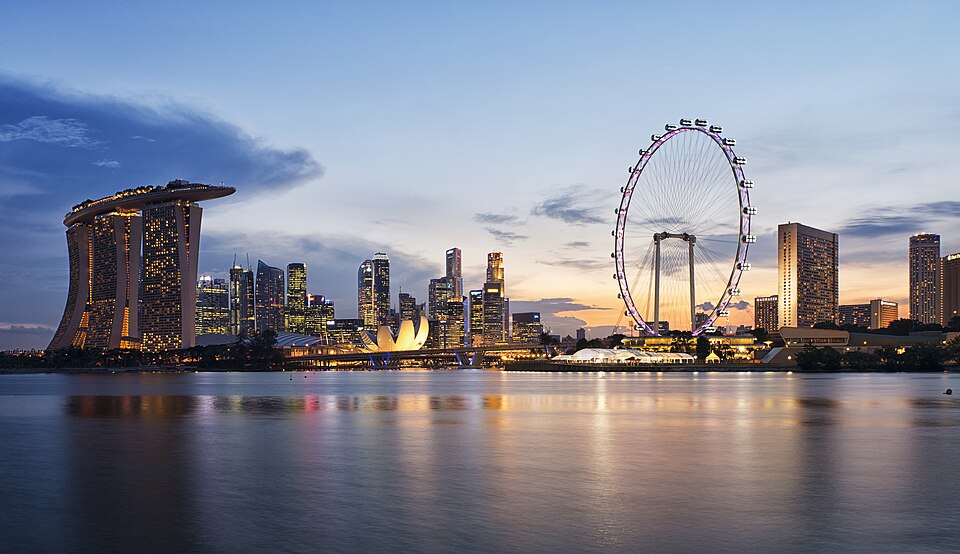
Singapore is advancing gradually in digital assets and tokenisation, but meaningful access for retail investors is unlikely in the near term.
Regulators are taking a cautious approach to opening the sector to the public, even as use cases expand in payments and institutional investing, according to a market expert.
“There is clearly some reluctance from regulators to bring digital assets to retail customers,” said Yingyu Wang, a partner at Simmons & Simmons JWS Pte. Ltd., in an interview with Asian Banking & Finance.
She noted that growth in the retail segment has been “intentionally restrained” and does not expect the Monetary Authority of Singapore (MAS) to shift its position over the next two to three years.
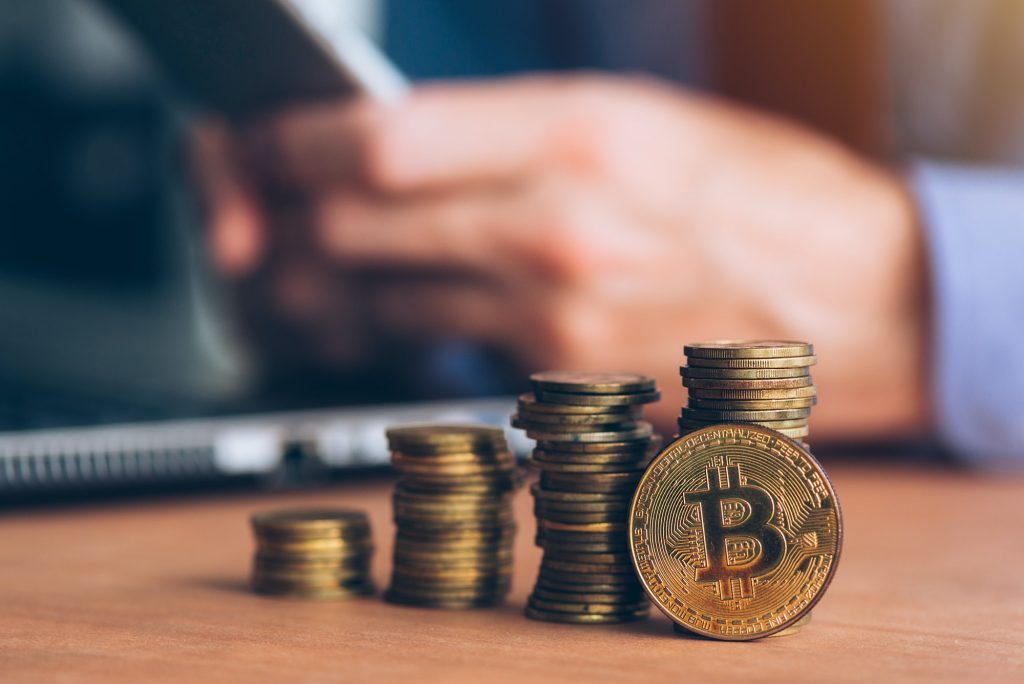
Despite this, momentum in Singapore’s digital asset ecosystem is building. Wang expects wider adoption of tokenised payment products, including stablecoins and tokenised money market funds, which could help bridge traditional finance and crypto-based solutions.
“The next phase is really about using digital assets for payments,” she said, pointing to the potential for instant transfers that could lower costs for service providers.
“In payments, margins are very thin,” Wang explained. “Providers often rely on foreign exchange for revenue. From their perspective, many want the ability to offer instantaneous transfers.”
Interest in digital assets increased after the US introduced legislation establishing a framework for payment stablecoins. Singapore, however, had a head start, with its central bank consulting the industry on digital payments as early as 2017, paving the way for the Payments Services Act.
By 2019, regulation had shifted to focus on activities rather than products, giving room for innovation as new technologies emerged. MAS adopted broad, technology-neutral rules, while existing consumer protection, anti-money laundering, and counter-terrorism financing laws provided a regulatory base even before specific digital asset frameworks were introduced.
Looking ahead, developments such as tokenisation and quantum computing may require updates to regulations. “Tokenisation is definitely something that needs attention,” Wang said, adding that regulators are already examining the issue.
Compared with Hong Kong, Singapore has a more developed digital asset regime, although Hong Kong enforces tighter custody requirements, mandating that 98% of crypto assets be held in cold storage, versus 90% in Singapore.
Wang noted that Singapore oversees a wider range of digital assets, while Hong Kong’s framework is more narrowly focused on virtual asset exchanges.
Differences in approaches to central bank digital currencies and decentralised finance will also influence the two markets. Regulators, she said, will need to determine how private tokens interact with official digital currencies and whether they are prepared to relinquish some degree of control.
Wang expressed doubts about the long-term viability of unregulated decentralised finance. “If you want to operate in this space without regulation, there’s only so far you can go,” she said. “You won’t get institutional backing.”
Many firms, she added, are opting to work within regulatory boundaries. “Regulation is the right path. In fact, many of my clients have now chosen to be regulated.”
Click here for more on Banking