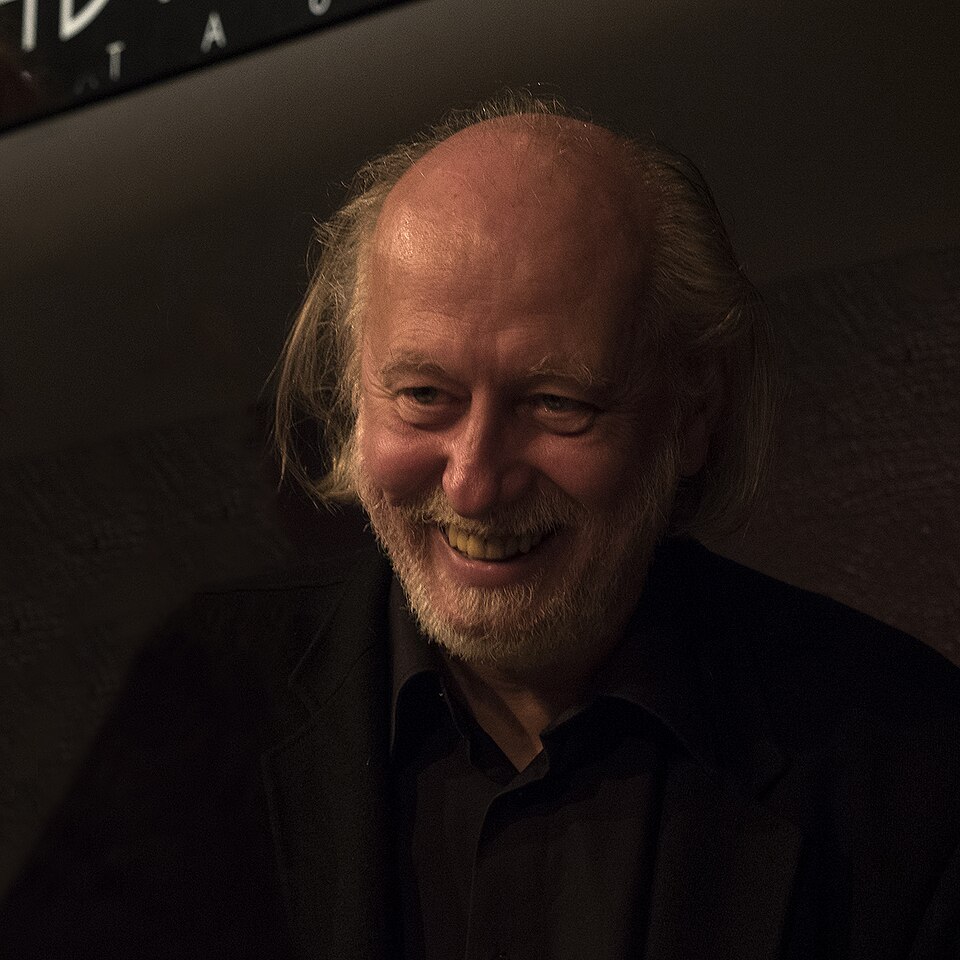
The 2025 Nobel Prize in Literature was awarded to Hungarian writer Laszlo Krasznahorkai for his “compelling and visionary oeuvre that, in the midst of apocalyptic terror, reaffirms the power of art.” The prize is worth 11 million Swedish crowns (about $1.2 million).
A Voice of Central Europe and Beyond
The Swedish Academy praised Krasznahorkai as a great epic writer following the Central European tradition of authors like Kafka and Thomas Bernhard, marked by absurdism and the grotesque. However, they noted his work is also influenced by the East, with a more contemplative style evident in his travels and writing about China and Japan. American critic Susan Sontag famously called him contemporary literature’s “master of the apocalypse” after reading his second novel, Melancholy of Resistance.
Krasznahorkai, 71, is the second Hungarian to win the award, following Imre Kertesz in 2002.
Themes and Inspiration
-
“Permanent Correction”: Speaking after the announcement, Krasznahorkai stated his career has been a “permanent correction,” beginning as a desire to improve his writing after his debut novel, Satantango.
-
Bitterness and The World: He cited “the bitterness” and sadness over the current state of the world as his deepest inspiration.
-
Key Influence: He has repeatedly referenced Franz Kafka as a key influence, noting that his life is often spent reading or thinking about him. His first novel, Satantango, is introduced with a quote from Kafka about the futility of waiting.
Key Works
His 1985 breakthrough, Satantango, portrays a “destitute group of residents on an abandoned collective farm” in the Hungarian countryside just before the fall of communism. The novel’s dark themes of despair and black comedy are expected to resonate strongly with contemporary readers given current global conflicts like the wars in Ukraine and the Middle East.
His work has been a source of collaboration, notably with Hungarian filmmaker Bela Tarr, who adapted several of his books, including the seven-hour-long Satantango.
Politics and Freedom
A known and fierce critic of Hungarian Prime Minister Viktor Orban, Krasznahorkai once called his government a “psychiatric case” for its stance on the Ukraine war. Despite their differences, Orban congratulated him on the win.
Krasznahorkai’s desire for freedom was fueled by his experience of moving from Communist Hungary to West Berlin in 1987, stating he has “never forgotten the taste of freedom” since.
Click here for more on Lifestyle
Source