The World Trade Organization said growth in global goods trade is expected to slow sharply to 1.9% this year, down from 4.6% in 2025, with further downside risks if the Middle East conflict keeps energy prices elevated and disrupts transport routes.
Last year, stronger-than-expected trade growth was supported by a boom in AI-related goods and by companies bringing shipments forward ahead of new U.S. tariffs. WTO Director-General Ngozi Okonjo-Iweala said that although trade has remained resilient—helped by demand for AI-linked products—the expanding conflict involving Iran is now putting that outlook under strain.
WTO economists said global goods trade growth could weaken further to 1.4% if crude oil and LNG prices stay high throughout 2026 because of the war.
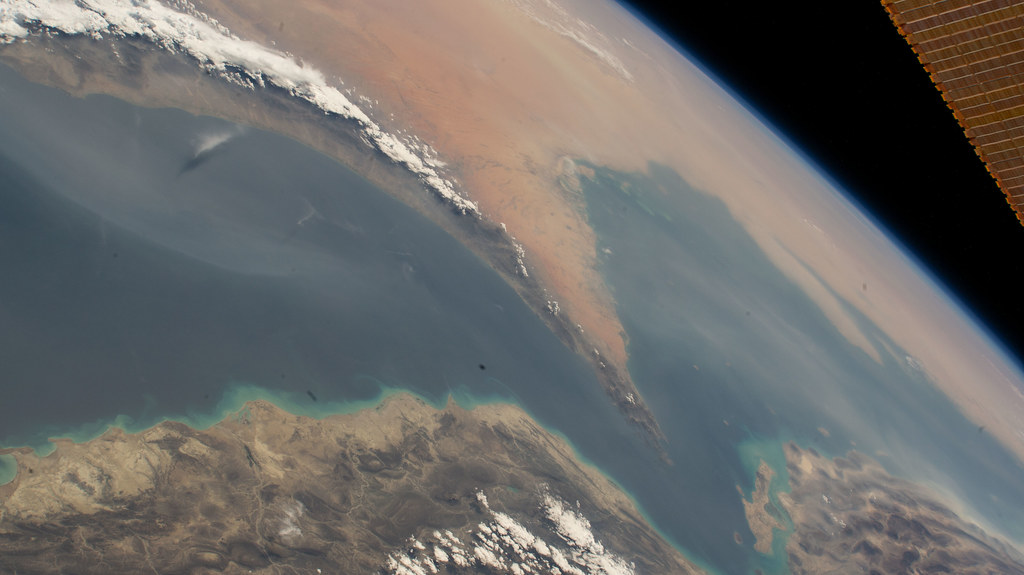
The report also warned that a prolonged Iranian blockade of the Strait of Hormuz could disrupt a third of global urea fertilizer imports, affecting major producers such as India, Thailand and Brazil and increasing risks to food security. Persistently high energy prices could cut half a percentage point from global merchandise trade growth, with fuel-dependent importers in Asia and Europe likely to be hardest hit.
Services trade is also expected to suffer, with growth forecasts lowered by 0.7 percentage points to 4.1% from 4.8% due to shipping and flight disruptions. Services trade had grown 5.3% last year.
The WTO said merchandise trade in 2025 grew at nearly twice the forecast pace, largely because surging demand for AI-related goods such as chips and semiconductors offset the effects of U.S. tariffs and trade tensions.
AI-related products accounted for 42% of global trade growth in 2025, despite making up only about one-sixth of total trade. Their value rose 21.9% year on year to $4.18 trillion, according to the report.
Still, the WTO said it remains uncertain whether investment in the AI sector will stay strong through 2026 and beyond.
For this year, global trade in goods and services is projected to grow 2.7%, roughly in line with global GDP growth of 2.8%, after increasing 4.7% last year while the global economy expanded 2.9%.
Asia is expected to lead merchandise import growth in 2026, with imports forecast to rise 3.3% and exports 3.5%, followed by Africa with import growth of 3.2% and export growth of 1.2%. North American imports are seen staying almost flat at 0.3%.
The report also estimated that about 72% of world trade is now conducted on a most-favoured-nation basis, down from roughly 80% at the start of last year after the introduction of higher U.S. tariffs.
Okonjo-Iweala said the figure shows that, despite pressure, the multilateral rules-based trading system remains intact ahead of next week’s WTO ministerial meeting in Cameroon.
Click here for more on Finance and Investing