The U.S. dollar strengthened sharply on Monday as surging oil prices drove investors toward cash, amid concerns that a prolonged war in the Middle East could significantly disrupt energy supplies and weigh on global economic growth.
The euro and British pound sterling fell about 0.5% and 0.6% against the dollar, whilst the Australian dollar and the safe-haven Swiss franc slipped roughly 0.3% to 0.4%. Nick Rees, head of macro research at Monex Europe, said the dollar was benefiting from being relatively insulated from the region’s geopolitical risks while also attracting its traditional safe-haven demand.
Global stocks, bonds, and precious metals declined as investors became more cautious, concerned that rising oil prices could fuel inflation and slow economic activity. Michael Every, senior global strategist at Rabobank, warned that the longer the conflict continues, the more severe the economic consequences could become.
The dollar later trimmed some gains during Asian trading after a report that finance ministers from the Group of Seven could discuss a coordinated release of oil from emergency reserves managed by the International Energy Agency. The news briefly eased oil prices after earlier surging close to $120 per barrel. Benchmark Brent crude was last up about 13% at $104.60 a barrel after rising more than 25% earlier in the session.
Traders assess impact of energy shock
The euro traded at about $1.1559 after hitting a three-and-a-half-month low earlier, whilst the pound fell to around $1.3338. The dollar also gained roughly 0.39% against the Swiss franc, whilst the Australian dollar recovered slightly after earlier losses.
Analysts say Asia could be particularly vulnerable to an energy price shock due to its heavy dependence on oil and gas imports from the Middle East. Europe and the United Kingdom also face notable exposure.
The dollar also strengthened against the Japanese yen, approaching the 159 level and trading near 158.41.
Deepali Bhargava, regional head of research for Asia-Pacific at ING Group, said the key issue is how high energy prices rise and how long they remain elevated, as that will determine the scale of the economic impact. A prolonged conflict combined with currency weakness could intensify inflation pressures across the region, she added.
Tensions escalated further after Iran named Mojtaba Khamenei as its new supreme leader, succeeding Ali Khamenei, roughly a week into the conflict.
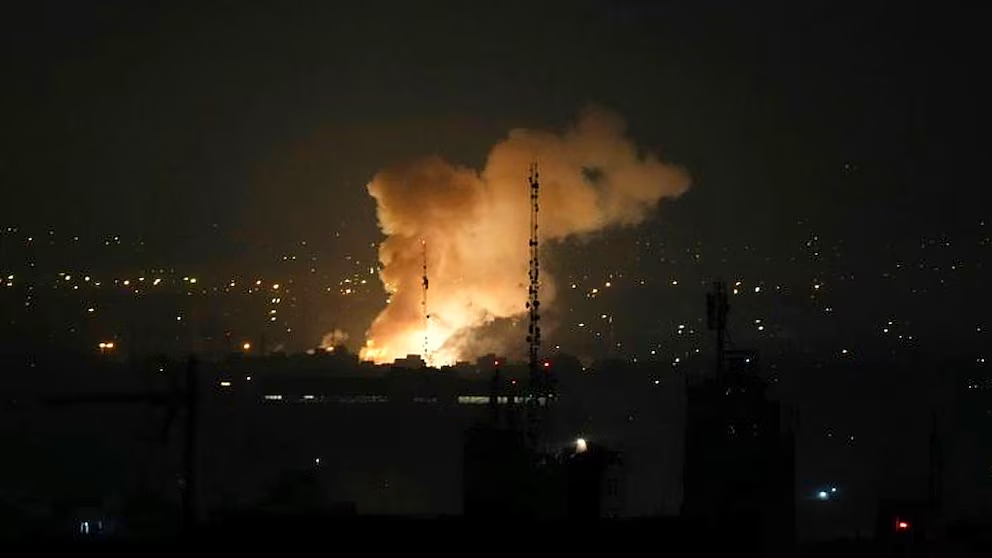
The war has already disrupted about one-fifth of global crude oil and natural gas supplies, as Iran targets vessels in the critical Strait of Hormuz between its coast and Oman and strikes energy infrastructure across the region.
Qatar’s energy minister recently warned that Gulf producers might halt exports within weeks, a move that could push oil prices as high as $150 per barrel.
Weak U.S. employment data released last week briefly slowed the dollar’s rally and boosted expectations of interest rate cuts. However, those expectations faded by Monday, with traders now pricing in roughly 35 basis points of easing from the Federal Reserve by the end of the year—down from more than 55 basis points previously anticipated.
Kyle Rodda, senior financial market analyst at Capital.com, said the oil shock could delay any policy moves by the Federal Reserve as officials assess how higher energy costs affect inflation and economic data.
Click here for more on Finance and Investing