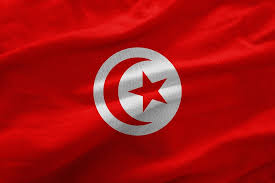
Tunisian bank employees launched a two-day strike on Monday to demand wage increases, bringing financial transactions across the country to a halt amid an ongoing economic crisis.
Long queues formed at ATMs as the strike began, with many customers reporting that cash machines were out of service. “We’re struggling with everything. Many medicines are unavailable, some goods are scarce, and the cost of living is unbearable. Now, we can’t even access our money,” said Imen Ben Slama, a local resident.
The powerful UGTT union organized the walkout after negotiations over pay and working conditions with the banking council—representing both public and private banks—collapsed. The union said rising inflation has sharply reduced workers’ purchasing power and is calling for immediate salary adjustments. Government officials have not yet commented on the strike.
The large turnout underscored UGTT’s continued influence in Tunisia, even as President Kais Saied has tightened his control since assuming rule by decree in 2021. In recent weeks, Saied’s administration has escalated its crackdown on dissent, suspending three non-governmental organizations and jailing several critics. The president has defended his actions, claiming he is combating corruption, treason, and foreign interference through civil society groups.
UGTT leader Noureddine Taboubi addressed hundreds of protesting bank workers outside the union’s headquarters, warning that “union rights, as well as public and individual freedoms, are under threat.” He said the strike was about more than wages—it was also a fight for dignity and democratic rights.
Tunisia continues to face a deepening financial crisis marked by dwindling foreign reserves, sluggish growth, public debt exceeding 80% of GDP, and shortages of essential goods and services. “Bank employees are suffering just like all Tunisians under the rising cost of living,” said Abdel Aziz, a bank worker participating in the protest.
Click here for more on Banking