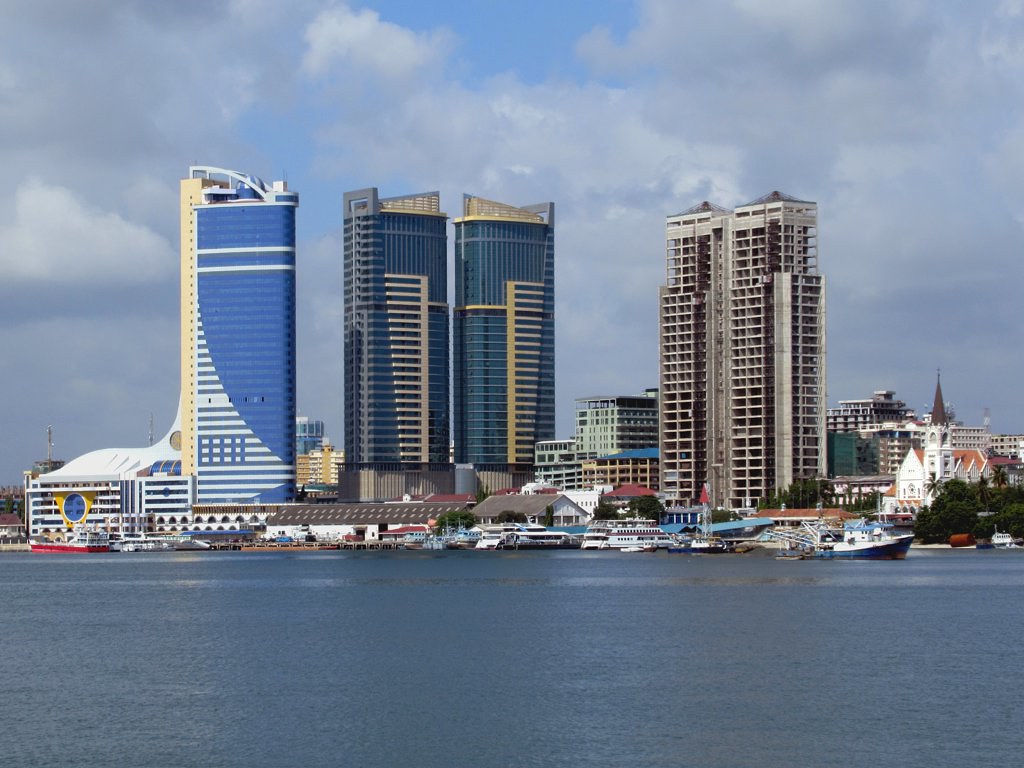
Tanzania’s Tsh62.33 trillion ($24 billion) budget for the 2026/27 fiscal year relies heavily on domestic funding, aiming to secure at least 75 percent of its revenue internally. This shift comes as the government anticipates a drop in foreign aid following international concerns over the country’s civil rights record. Finance Minister Khamis Mussa Omar highlighted critical national initiatives as primary spending targets, particularly the cross-country standard gauge railway, expanded road networks, upgraded water services, and clean energy development.
To counter potential funding cuts from Western partners dissatisfied with the accountability of last year’s disputed general election, the government aims to generate Tsh46.8 trillion ($18 billion) locally. Development programs will receive roughly 30 percent of the total budget, amounting to Tsh20.82 trillion ($7.9 billion), while the remaining funds will cover recurrent operational expenses.
To drive revenue, the state plans to widen the taxpayer base and modernize collection frameworks using digital tools designed to boost efficiency, compliance, and administration. Minister Mussa also announced plans to formalize informal enterprises and optimize tax incentives for private investors. Beyond traditional taxes, the updated domestic revenue strategy leans heavily on tourism and mining—the nation’s primary foreign-currency earners—while pushing for higher productivity in agriculture, manufacturing, and renewable energy. Additionally, in a bid to curb spending amid a prolonged fuel crisis tied to Middle East conflicts, Mr. Mussa ordered government agencies and state-owned firms to transition from diesel and petrol vehicles to electric cars.
This budget represents the first delivered by Mr. Mussa since taking office in November. He framed the financial plan as a crucial step toward realizing “Dira 2050,” Tanzania’s economic blueprint launched last June with the ambition of establishing a $1 trillion economy by mid-century.
In a concurrent State of the Economy report presented to Parliament, Planning and Investment Minister Prof. Kitila Mkumbo noted that Western diplomatic friction has forced Tanzania to adopt a highly pragmatic, adaptable approach to international relations. Prof. Mkumbo also dismissed growing concerns regarding Tanzania’s non-aligned stance following President Samia Suluhu Hassan’s recent trip to Russia, invoking a famous quote from former Chinese leader Deng Xiaoping: “It doesn’t matter whether the cat is white or black so long as it catches mice.”
Click here for more on Banking