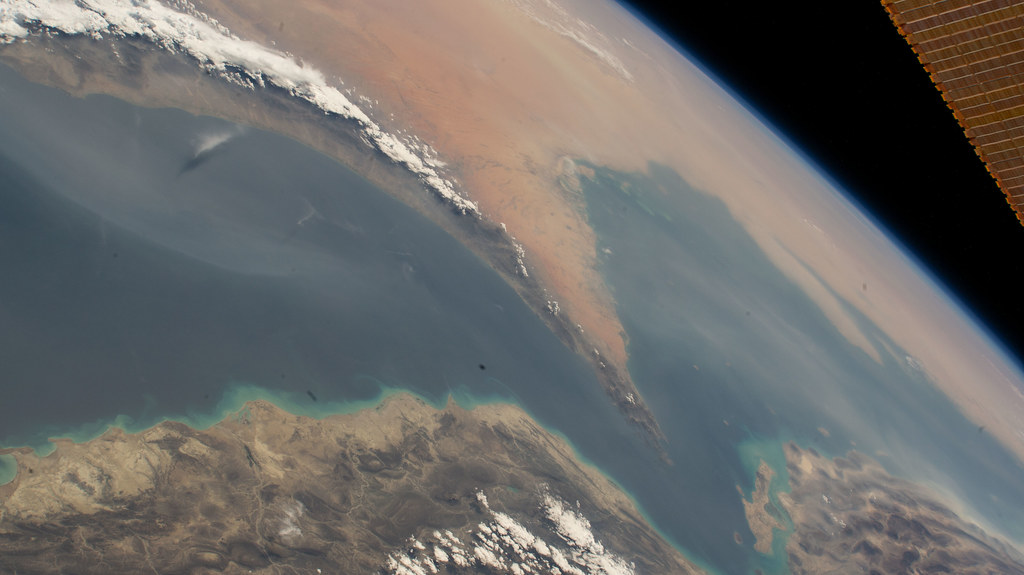
S&P Global Ratings warned that supplies of certain construction materials could face disruptions if the Strait of Hormuz remains closed for an extended period.
The report noted that input costs may rise due to rerouted shipments, along with higher fuel and transportation expenses, according to analyst Sapna Jagtiani.
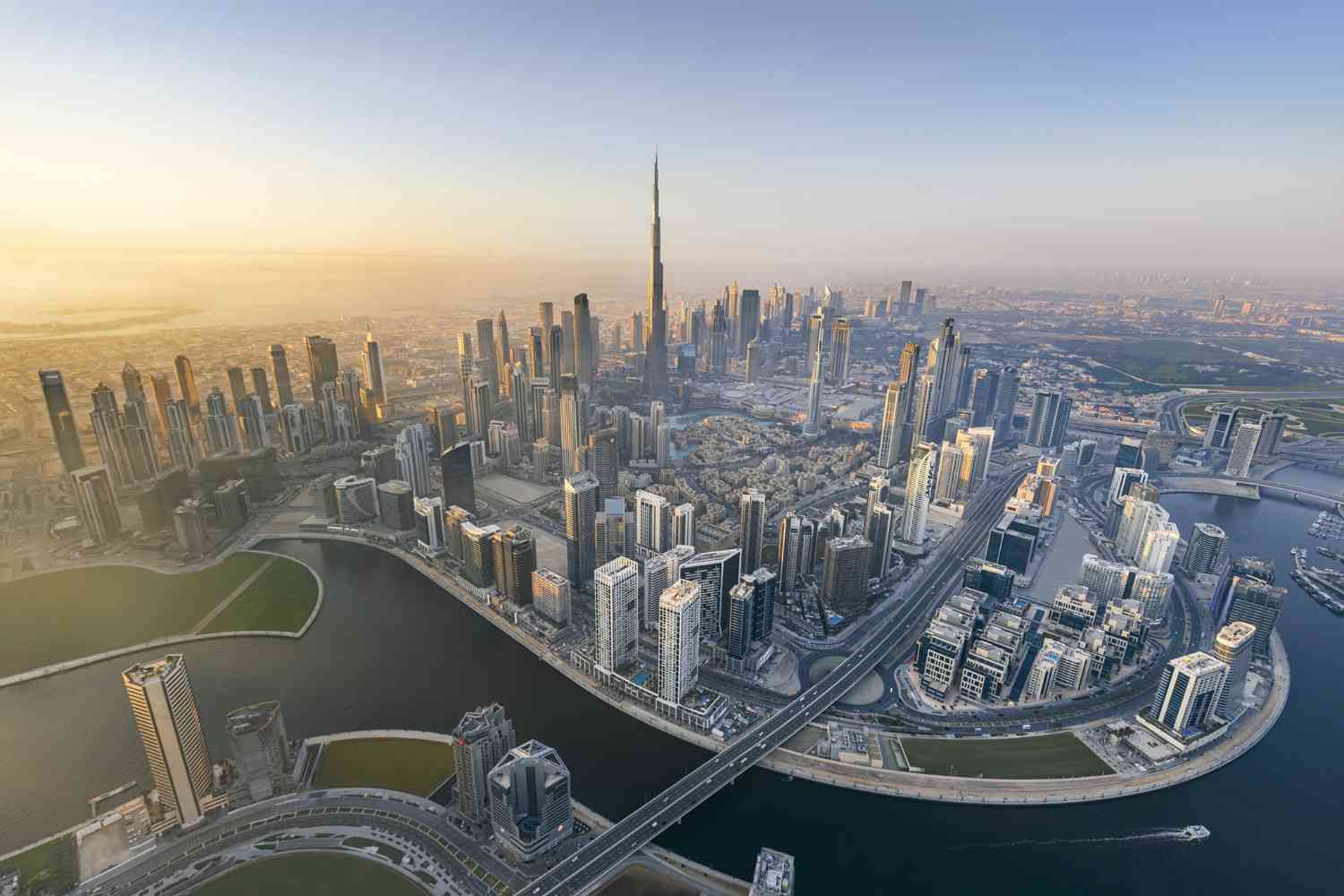
Despite these risks, construction activity in Dubai is expected to continue largely uninterrupted, given its track record of managing delays during past disruptions such as COVID-19 lockdowns.
However, some project cancellations are likely, particularly among developers that have recently launched projects or have not secured sufficient presales. Jagtiani added that presales could become more difficult as declining secondary market prices weigh on buyer sentiment.
Investors may also rethink their commitments if property values drop significantly or if financial strain from the conflict delays installment payments.
Still, Dubai’s regulatory framework offers some protection for developers, allowing them to retain up to 40% of a property’s value—provided construction remains on track—while refunding the balance and repossessing the unit for resale.
S&P said a repeat of the 2008-style property crash is unlikely if the most intense phase of the conflict lasts no more than four weeks. However, a more substantial correction could occur if the situation drags on longer.
The report highlighted growing caution in the market, with official data indicating a decline in transaction volumes since the conflict began. It now expects slower real estate activity and falling residential prices, compared with earlier forecasts of moderating growth after years of rapid increases.
Presales are likely to weaken further, while secondary market activity could rise as investors look to exit positions amid declining prices.
Click here for more on Business