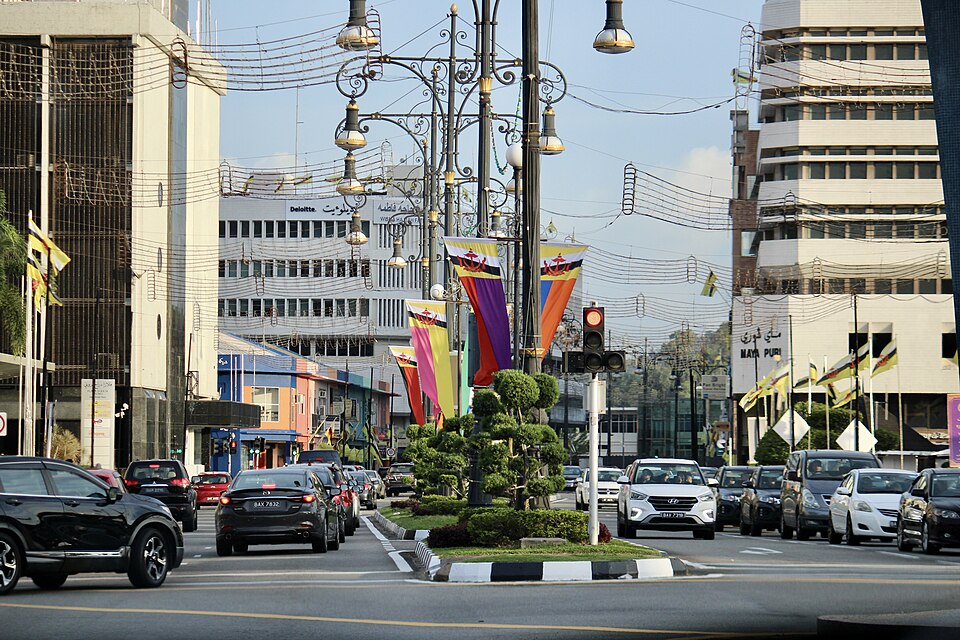
South and Southeast Asian banks could face significant concentration risks if a major corporate borrower collapses, with lenders in Brunei and the Philippines particularly vulnerable to large-scale defaults, according to S&P Global Ratings.
Geeta Chugh, a Mumbai-based credit analyst at S&P Global Ratings, noted that the agency’s scenario analysis, which examined loan concentration among regional banks, identified Brunei and the Philippines as the most exposed due to heavy reliance on lending to a limited number of large borrowers.
Chugh added that banks in these markets, along with Thailand, face heightened risks linked to loan concentration. In severe cases, lenders in these countries could suffer losses exceeding their annual pre-tax earnings, driven by concentrated loan books and, in some instances, weaker profitability.
S&P’s review of roughly 5,000 corporations across South and Southeast Asia found that companies in Bangladesh and Vietnam are the most financially vulnerable.
The stress test assumes a default by a bank’s largest borrower, with limited or no recovery value on those loans.
Chugh also cautioned that under extreme stress conditions, banks in Malaysia, India, and Indonesia could similarly see their full-year earnings wiped out.
S&P warned that large corporate failures could create ripple effects across the financial system, as disrupted payments weaken suppliers’ cash flows, potentially triggering a chain reaction of additional defaults.
Click here for more on Banking