Saudi Arabia’s real estate sector continued its strong momentum in Q3 2025, with Vision 2030 driving widespread transformation, according to JLL.
The hospitality market outperformed expectations despite the traditionally slow season, achieving 60.5% nationwide occupancy—up 1.4 percentage points—supported by 14.3 million international arrivals in the first half of 2025 and over 32 million “Saudi Summer” tourists, a 26% annual increase.
Industrial real estate also remained robust. Riyadh led with 10.5% annual rental growth, particularly in Taybah (+21.7%) and Al Fawzan Industrial City (+20%). Jeddah posted 6.6% growth, while Jeddah Islamic Port rents hit SAR 470 per sqm. Occupancy levels stayed elevated across major cities, including Riyadh (90%), Jeddah (91%), and the Dammam Metropolitan Area (85%), reflecting sustained demand across the sector.
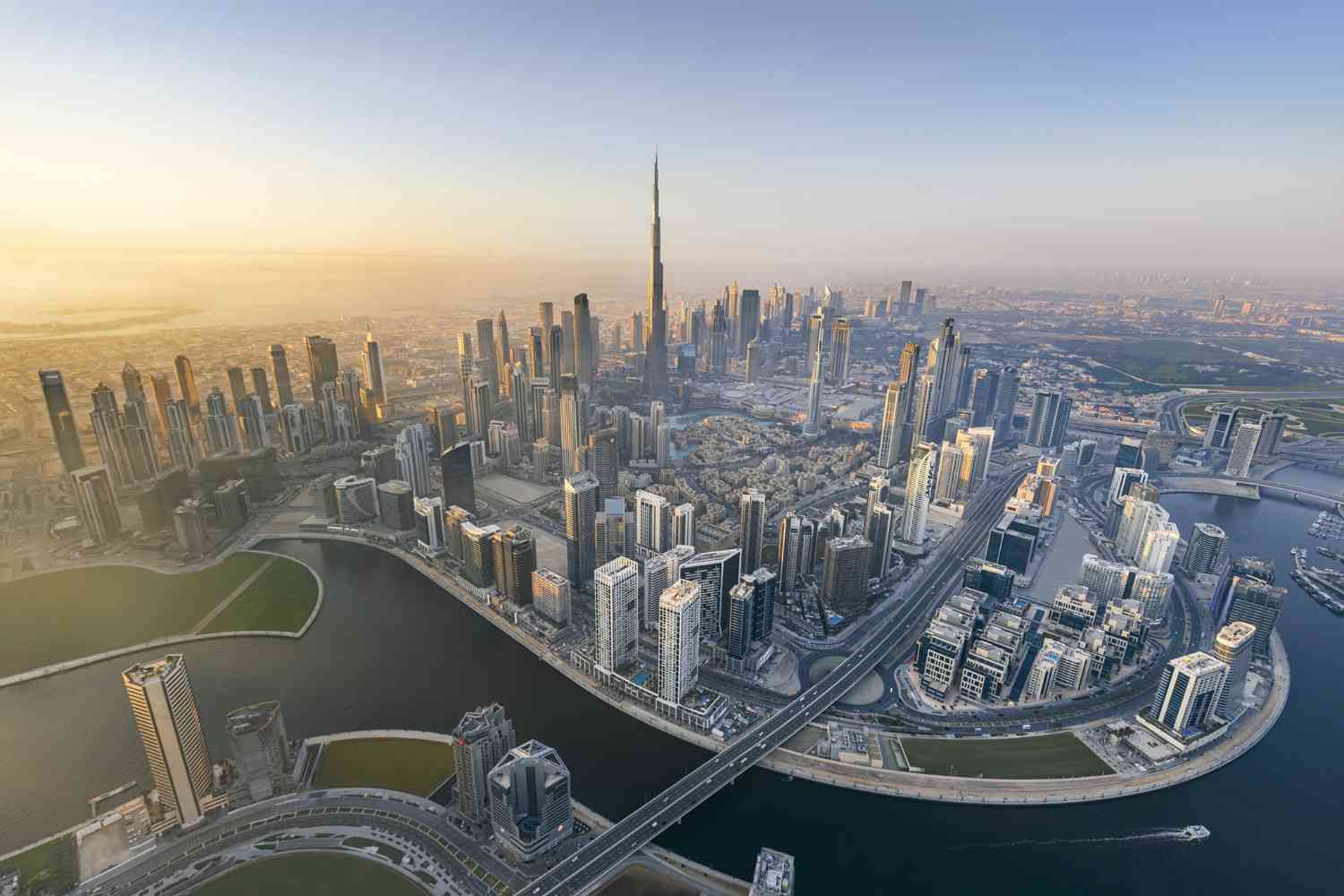
Riyadh’s office market remained extremely tight, with vacancy at just 0.5%. Prime rents in KAFD climbed 11.1% to SAR 3,630 per sqm, and Grade A rates rose 9.5% year-on-year. Jeddah’s Grade A vacancy remained low at 4.9%. Retail trends showed Riyadh’s super-regional malls retaining a minimal vacancy rate of 2.5%, supported by tourism growth and experiential retail formats.
Residential activity also held strong. Riyadh saw 6,140 transactions and a 10.3% rise in apartment prices to SAR 6,501 per sqm, alongside notable rent increases (apartments +19.6%, villas +17.2%). Jeddah recorded 3,228 transactions, with villa prices up 3.1% to SAR 6,668 per sqm, though apartment prices slipped 2.8%.
JLL noted that new regulatory changes will further shape the market. Riyadh has introduced a five-year rent freeze on renewed and vacant residential and commercial leases, resetting rents to their last registered levels. The measure is intended to ease living costs, deter speculative spikes, and shift investor attention toward higher-quality, long-term assets.
Meanwhile, updates to the White Land and Vacant Property Tax Law will apply nationwide, now covering long-term vacant buildings in addition to plots. Tiered fees of up to 10% will apply to holdings of 5,000 sqm or more. The reform aims to spur development, activate idle land, and expand the supply of housing and serviced land.
Saud Alsulaimani, Country Lead and Head of Capital Markets at JLL Saudi Arabia, highlighted a pronounced “flight to quality” across all segments—from record tourism-driven hospitality performance to strong industrial rental growth and a rapidly tightening office market.
These developments underscore real estate’s expanding role in supporting Saudi Arabia’s economic diversification. Industrial strategies are increasingly geared toward export-oriented manufacturing, while Riyadh’s growing tech and financial clusters continue to push office demand with a focus on sustainability and metro-linked locations. Retail is shifting toward experience-centric models and strategic collaborations. With major initiatives such as Expo 2030, FIFA 2034, and giga-projects like NEOM and Diriyah, the Kingdom is cementing its position as a global real estate leader.
Click here for more on Business