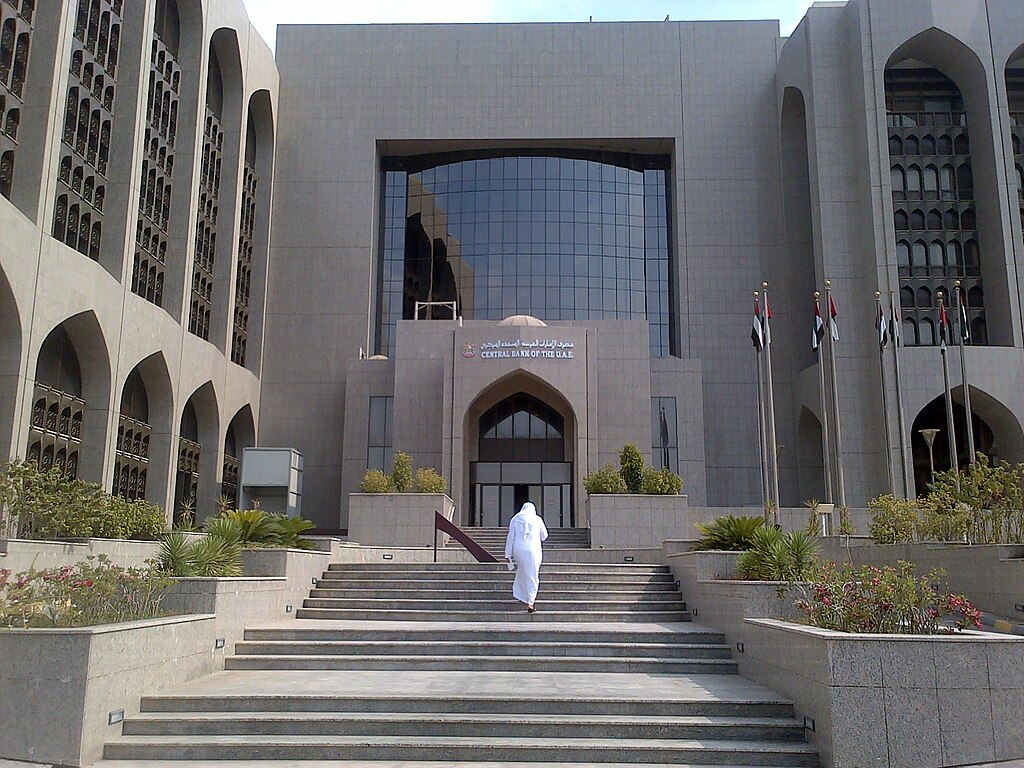
President His Highness Sheikh Mohamed bin Zayed Al Nahyan has issued Federal Decree Law No. (6) of 2025, which overhauls the legal framework governing the Central Bank of the UAE and regulates all financial institutions, financial activities, and insurance activities.
This new law is a key part of the UAE’s strategy to modernize its financial sector, ensure its stability and competitiveness, and meet the highest international standards. Crucially, it enhances the Central Bank’s independence and reinforces its primary role in guaranteeing financial and monetary stability while ensuring the stability of the national currency and the prudent management of foreign reserves.
Core Functions of the Central Bank
The decree law outlines several principal functions for the Central Bank:
-
Monetary Policy: Establish and implement the national monetary policy.
-
Supervision: Organize and supervise all licensed financial activities, issue regulations to enforce effective and prudent financial practices, and manage foreign reserves to back the monetary base.
-
Sustainability & Infrastructure: Support sustainable financing and integrate governance principles, analyze regulatory risks, and oversee the infrastructure of financial markets.
Consumer Protection and Resolution Powers
The new legislation significantly boosts protection for consumers and the Central Bank’s authority to handle financial crises:
Customer Protection and Inclusion
-
Access: Financial institutions must ensure all community members have access to appropriate banking and financial services, supporting financial inclusion and digital transformation efforts.
-
Responsible Lending: The law reinforces existing rules that require linking credit facilities to a customer’s income, shielding consumers from irresponsible lending.
-
Dispute Resolution: The complaints process for both bank and insurance customers is unified under the independent entity “Sanadak,” which is responsible for receiving and settling disputes. Specialized judicial committees are also established to handle financial disputes; their decisions are final and binding on institutions for amounts up to AED100,000.
Crisis Management and Resolution
The Central Bank, as the “Resolution Authority,” is granted strong, proactive powers to intervene early if a licensed institution shows signs of deterioration, ensuring stability and customer protection. These measures include:
-
Implementing recovery plans, increasing capital requirements, or changing the institution’s business strategy.
-
Taking over management (via an interim committee or direct takeover).
-
Facilitating a merger, acquisition, or liquidation.
-
In major crises, the Central Bank can assume control, appoint guardians, terminate contracts, sell assets and obligations, override shareholder rights, restructure capital, or implement a bailout to maintain critical services.
Administrative Penalties
The new law dramatically increases the severity of administrative penalties. The ceiling for fines is raised to be proportionate to the violation’s severity and the transaction volume, allowing the Central Bank to impose a fine of up to ten times the value of the violation or unjust enrichment. Fines are automatically debited from the violating party’s accounts. The Central Bank may also publish penalty decisions on its official website to increase market transparency.
Click here for more on Banking