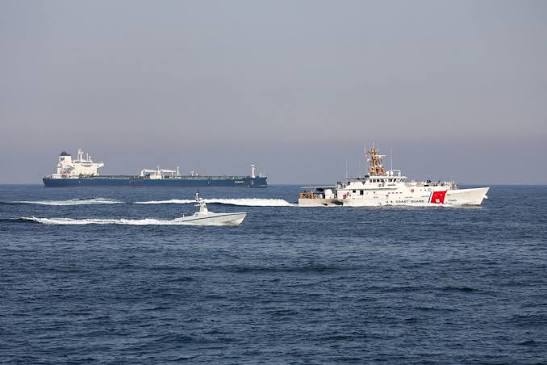
Amid the escalating conflict involving Iran, Gulf Arab nations are increasingly looking to China—rather than the United States—to leverage its economic influence over Tehran and reopen critical maritime routes like the Strait of Hormuz and the Red Sea. Driven by frustration over disrupted energy exports and regional security risks following U.S.-Israeli strikes on Iran, Gulf states are testing the limits of Beijing’s diplomatic sway. While Chinese Foreign Minister Wang Yi and special envoy Zhai Jun have engaged in extensive talks across the region, China’s dual role as the largest trade partner to Iran and a major oil importer from the Gulf creates a complex balancing act.
Despite Gulf hopes for a Chinese-mediated settlement, Beijing’s response remains cautious and constrained by broader geopolitical rivalries. Analysts and regional sources note that while China is actively involved in quiet diplomacy—such as encouraging Pakistani mediation and securing narrow bilateral passage for its own vessels through Houthi-controlled waters—it lacks the willingness or capacity to act as a military guarantor. Unlike Washington, China holds no formal defense commitments in the region and explicitly opposes using military force to secure waterways, preferring instead to avoid binding security obligations while preserving its strategic and economic relationships across all sides.
Click here for more on World News