DUBAI: The UAE’s prolonged property boom is facing a significant challenge after Iranian missile strikes dented the Gulf’s reputation as a safe haven.
The attacks have undermined the region’s image of stability at a time when worries about market overheating had already begun to surface. Developers that once sold out off-plan projects within hours are now dealing with a far more uncertain demand outlook.
Off-plan transactions accounted for about 65% of Dubai property deals in 2025, according to Betterhomes, meaning most purchases involved homes still under construction. That supply pipeline could now face a more difficult market environment, with foreign demand expected to play a decisive role.
On Wednesday, shares of major developers in Dubai and Abu Dhabi dropped sharply. Aldar Properties, the largest listed developer in Abu Dhabi, and Emaar Properties, the company behind downtown Dubai and the Burj Khalifa, both fell 5%, whilst bond prices of key developers also declined.
Bond markets—an important funding source for UAE developers—have effectively closed to new issuance as spreads widened across the sector.
Some developers sought to reassure the market.
“In this region we know things start quickly and end quickly and we overcome this because the fundamentals across the GCC nations are strong,” said Ziad El Chaar, chief executive of Dar Global, the luxury developer behind several Trump-branded projects in the Gulf.
“Nothing is on hold … everything is on track,” he added.
Others said the impact was already becoming evident. A senior real-estate banker said his firm had postponed a planned capital raising for a UAE property project this week.
“Investors are not thinking at this stage of investing in the region,” he said, adding that the risk premium for UAE property had risen significantly.
He also warned that international lenders could come under pressure to scale back new lending, potentially forcing asset sales if the conflict continues.
Rapid growth driven by foreign demand
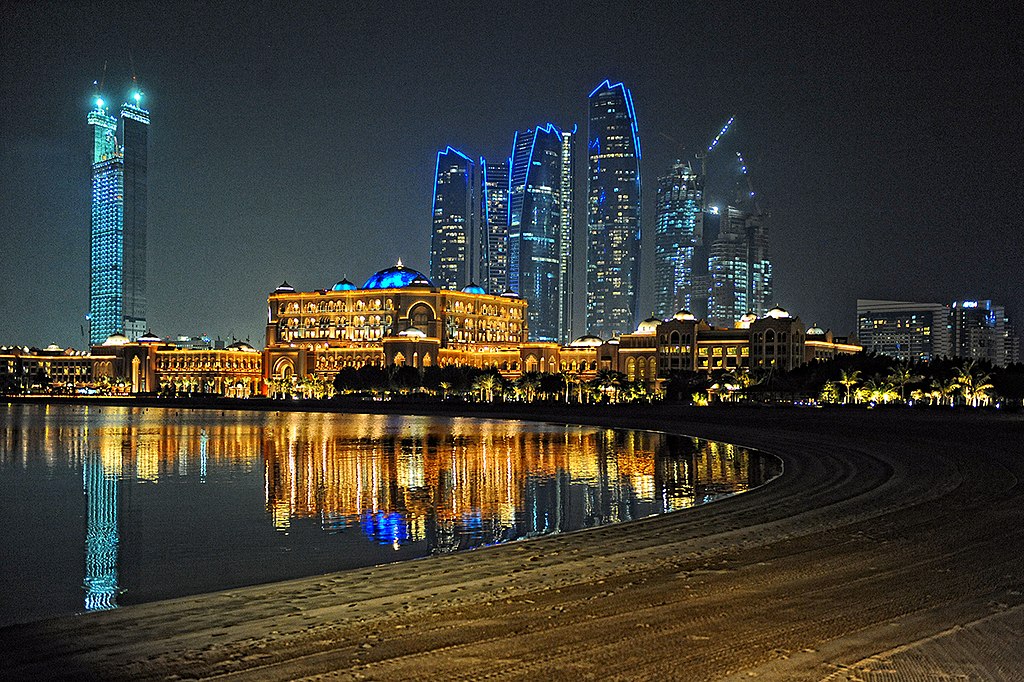
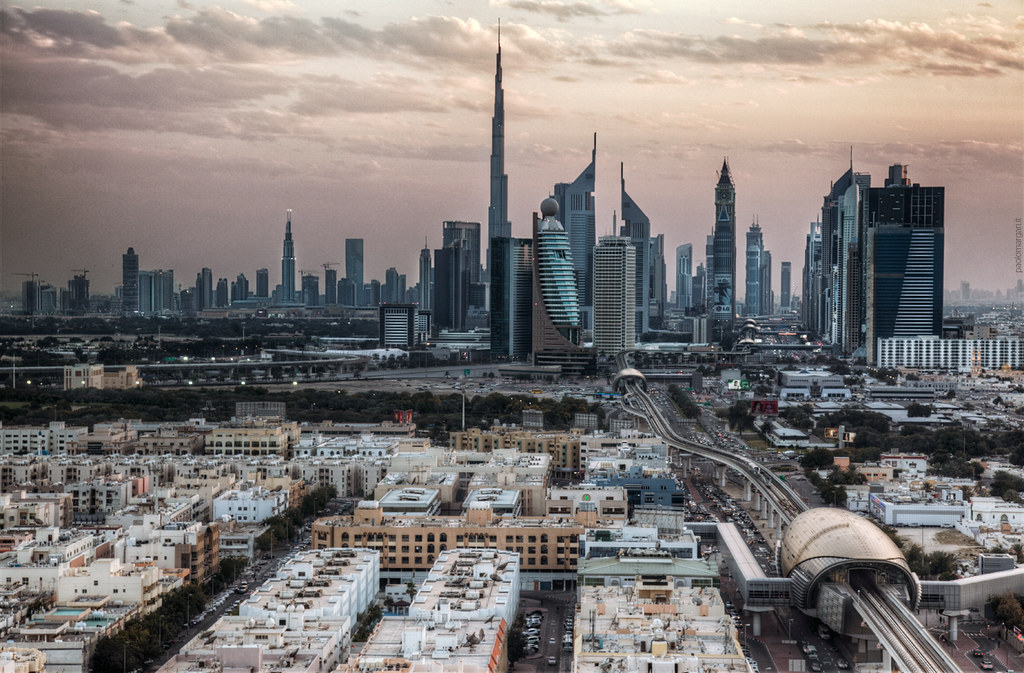
Dubai’s skyline has been reshaped over the past two decades by ambitious construction projects. Palm Jumeirah, once a bold land-reclamation experiment, is now an established luxury destination, whilst Palm Jebel Ali—a larger palm-shaped development—is taking shape offshore. Abu Dhabi has also steadily expanded its coastline through major building projects.
The property rally accelerated after the COVID-19 pandemic, as the UAE’s tax-free environment, visa liberalisation and economic reforms attracted wealthy migrants. Russians leaving the Ukraine war, billionaires, family offices and hedge funds poured money into the market, drawn by zero income tax and a business environment aspiring to compete with global financial centres.
By 2025, the UAE’s population had surpassed 11 million, with expatriates accounting for nearly 90% of residents, according to official data.
Dubai property prices surged about 60% between 2022 and the first quarter of 2025, according to Fitch. Growth continued late last year, with residential prices rising nearly 13% year-on-year in the fourth quarter, according to CBRE. In Abu Dhabi, residential prices climbed almost 32% over the same period.
“The real impact on real estate will be seen in the level of demand once the conflict ends. That is when the true effect will become clear,” said Mohammed Ali Yasin, chief executive of Ghaf Benefits, a Lunate company in Abu Dhabi.
He added that the decline in listed developer stocks broadly tracked the wider market’s roughly 5% fall on Wednesday.
Supply concerns mount
Even before recent geopolitical tensions, analysts had warned that housing supply could outpace population growth.
JPMorgan said last week that Dubai’s demographic expansion might not absorb the 300,000–400,000 new housing units expected by 2028.
“Foreign interest in purchasing property following the conflict will be critical,” economists at Abu Dhabi Commercial Bank wrote in a note on Wednesday. They said expatriates and non-resident buyers remain a key source of demand, whilst new supply is expected to rise from the second half of this year and stay elevated over the next two years.
The strikes came just as that wave of new supply was gathering momentum.
“Real estate investment typically depends on stability, visibility and sustained investor confidence, all of which tend to weaken during prolonged geopolitical uncertainty,” said Ryan Lemand, co-founder and CEO of Neovision Wealth Management in Abu Dhabi.
Click here for more on Business