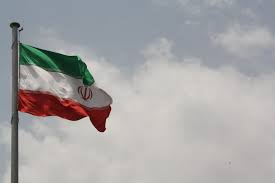
According to Iranian state media, Tehran’s latest peace proposal to the United States demands an end to hostilities on all fronts—including Lebanon—the withdrawal of U.S. forces from areas bordering Iran, and financial reparations for damage caused by the U.S.-Israeli war. Deputy Foreign Minister Kazem Gharibabadi stated through the IRNA news agency that the terms also call for lifting economic sanctions, unfreezing overseas assets, and ending the U.S. naval blockade. Observers note these conditions differ very little from a previous Iranian offer that U.S. President Donald Trump dismissed last week as “garbage.”
Despite his initial rejection, Trump announced on Monday that he had paused a scheduled resumption of military strikes after receiving the updated proposal via Pakistani intermediaries. Trump expressed optimism, noting a “very good chance” of securing a deal focused primarily on preventing Tehran from acquiring a nuclear weapon. Under intense pressure to resolve a conflict that has choked off global oil supplies through the blockaded Strait of Hormuz, Trump added on social media that leaders from Qatar, Saudi Arabia, and the UAE had personally urged him to delay the offensive in anticipation of a regionally acceptable agreement. Meanwhile, a Pakistani diplomatic source confirmed the transmission of the proposal but warned that progress is being hindered by both sides continuously altering their negotiating positions as time runs out.
Behind the scenes, the negotiations are sending mixed signals. While Washington has officially confirmed no breakthroughs, a senior Iranian official claimed the U.S. has shown newfound flexibility, allegedly agreeing to release a quarter of Iran’s frozen foreign bank assets and allowing supervised, peaceful nuclear activities under the International Atomic Energy Agency (IAEA). However, U.S. officials speaking anonymously have flatly denied separate reports from Iran’s Tasnim news agency claiming that Washington agreed to pause oil sanctions during the diplomatic talks.
The pause follows a highly destructive conflict that began in late February. Prior to a ceasefire in early April, U.S.-Israeli bombardments killed thousands in Iran, while Israel’s ground invasion of Lebanon displaced hundreds of thousands in pursuit of Hezbollah. For its part, Iranian retaliatory strikes killed dozens across Israel and neighboring Gulf states. While the core ceasefire has largely held, recent drone launches from Iraq toward Saudi Arabia and Kuwait highlight the fragile security environment. Ultimately, while Trump and Israeli Prime Minister Benjamin Netanyahu launched the war to dismantle Tehran’s nuclear capabilities and destabilize its clerical leadership, the conflict has yet to deplete Iran’s enriched uranium stockpiles or fracture its political governance.
Click here for more on World News