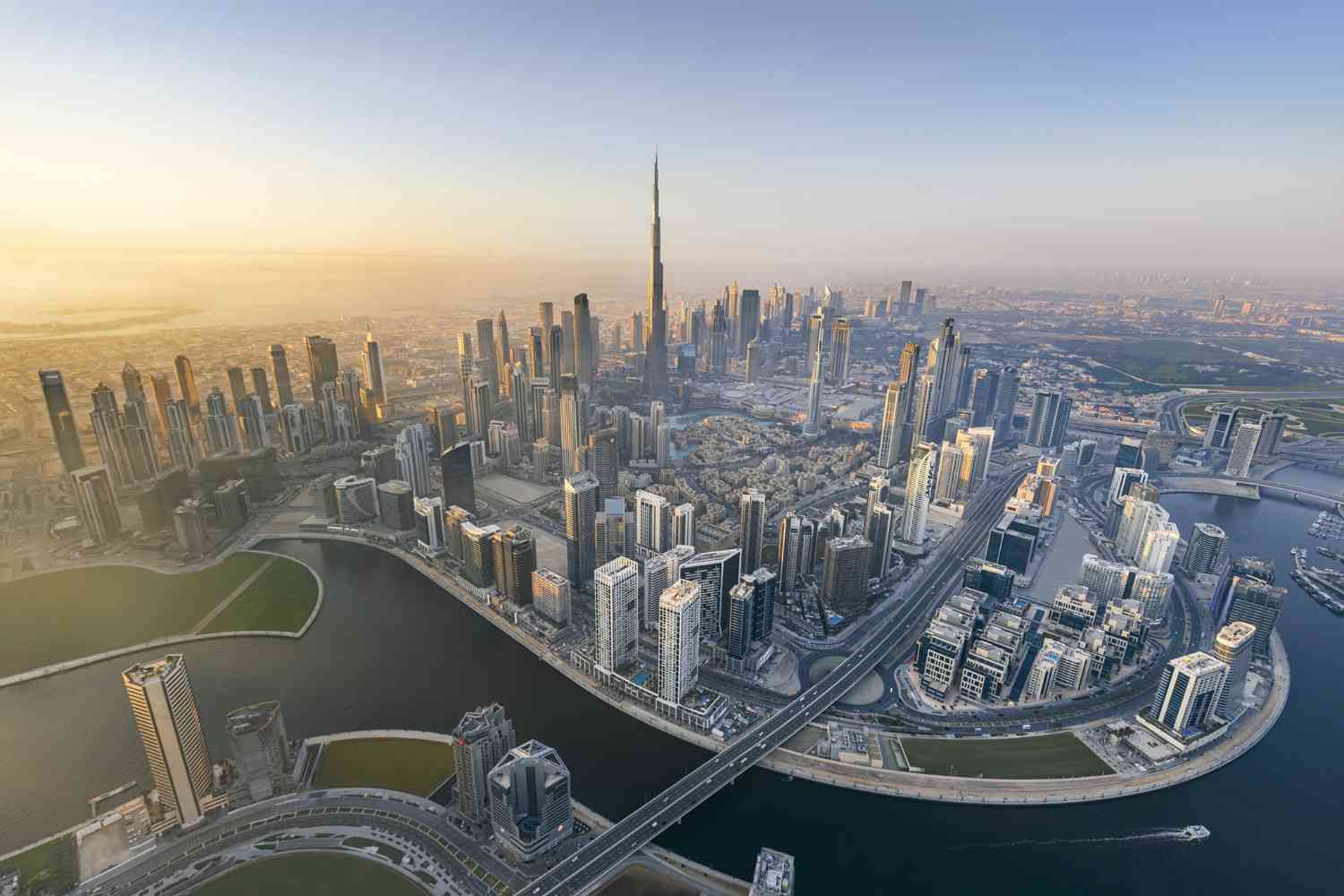
The United Arab Emirates continues to push the development of the new economy as a central driver of sustainable growth, underpinned by innovation, advanced technologies and the knowledge economy. This strategy supports economic diversification and strengthens competitiveness across sectors such as artificial intelligence, financial technology, the green economy and advanced industries.
The new economy aligns with the UAE’s national vision to build a resilient and diversified economic model led by innovation, supported by national talent and the attraction of high-quality investment.
This transition is backed by a broad framework of government policies and initiatives, flexible regulations and advanced infrastructure, reinforcing the UAE’s standing as a global hub for business and innovation while enhancing its ability to adapt to global economic shifts and future demands.
To advance its circular economy agenda, the UAE has approved and implemented 22 policies across multiple areas, including improved waste management and expanded recycling. Measures include extended producer responsibility, source-based waste separation in residential, commercial and institutional sectors, the creation of a national materials and waste database, regulation of inter-emirate resource flows to support recycling investments, and steps to curb the leakage of plastics and recyclable materials.
Abdullah bin Touq Al Marri, Minister of Economy and Tourism, said the UAE is entering a new phase as it transitions towards a new economy model built on knowledge and innovation. He noted that this approach serves as the roadmap for the future economy and is one of four key pillars under the ‘We the UAE 2031’ vision, which aims to position the country as a global hub for the new economy within the next decade.
In comments to the Emirates News Agency (WAM), Al Marri highlighted the ministry’s initiatives, partnerships and projects in advancing new economy sectors, including advanced technology, AI, the digital and e-commerce economy, renewable energy, the circular economy, green technologies, media, digital arts, fintech and smart transport. These efforts have helped lift the number of companies and commercial licences in new economy sectors to 56,000 by the end of the first half of 2025.
He added that collaboration with public and private sector partners has focused on developing forward-looking legislation and policies to accelerate the UAE’s transformation into a global centre for new economy activities. Ten major laws and policies have been introduced or updated, including legislation governing modern technological trade, industrial property rights protection, copyright and neighbouring rights, and commercial transactions.
On economic clusters, Al Marri said work is under way to develop a food economic cluster as part of the national clusters policy, which plays a key role in boosting the new economy’s contribution to GDP. The cluster will integrate agricultural production, food manufacturing and modern agri-technologies within a single, coordinated ecosystem.
The initiative aims to increase the food sector’s contribution to GDP while enhancing competitiveness and supporting private sector companies in a fast-growing industry. By the end of the first half of 2025, the number of registered local and international trademarks in the sector had reached 40,486.
Al Marri also noted that the UAE Circular Economy Council is preparing a second package of policies to speed up the country’s shift towards a circular economy. These measures include developing a national green infrastructure roadmap, promoting circular water management in industry, issuing design guidelines for multi-material products, strengthening reverse logistics and supply chains, supporting high-impact waste-reduction projects, and empowering SMEs in the circular economy, in line with the UAE Circular Economy Agenda 2021–2031.
Additional initiatives target reductions in food loss and waste, sustainable management of agricultural resources, greater use of recycled materials in consumer goods, regulation of tyre and biodiesel life cycles, expansion of electric vehicle infrastructure and unified charging systems, support for sustainable aviation fuel, and improved regulation of operating leases and waste oil management.
Click here for more on Business