Financial analysts warn that Asia-Pacific banks may face near-term pressure to escalate their loan loss provisions as the conflict involving Iran dampens economic growth across a region heavily dependent on Middle Eastern oil. During the March quarter earnings cycle, major financial institutions in countries such as Australia, Singapore, and India collectively flagged prospective credit headwinds totaling hundreds of millions of dollars, attributing the adjustments to the indirect economic fallout of the war. These heightened provisions coincide with a challenging macroeconomic backdrop characterized by prolonged energy price spikes, trade and supply chain friction, rising interest rates, and deteriorating corporate financial health. While robust capital buffers are expected to shield lenders from immediate structural damage, market experts caution that an extended energy crisis could eventually translate into tangible credit defaults, forcing banks to aggressively replenish their balance sheets.
Currently, the financial hit remains far less severe than the fiscal cushions mandated during the COVID-19 pandemic five years ago. According to Reuters calculations, the A$957 million ($694.40 million) set aside by Australia’s top four lenders for conflict-related risks sits 80% below 2020 thresholds, while a combined $2.8 billion buffer across eight major non-Chinese and non-Japanese Asian banks represents a 70% reduction. Nevertheless, economists note that actual credit losses could trend upward depending on the ultimate duration of the war, which has entered its 11th week. The systemic strain has already prompted the Asian Development Bank to downgrade its growth forecasts for developing Asia to 4.7% for this year and 4.8% for 2027. Market analysts anticipate further downward pressure on next quarter’s banking earnings due to currency depreciation, surging bond yields, and stubborn oil prices.
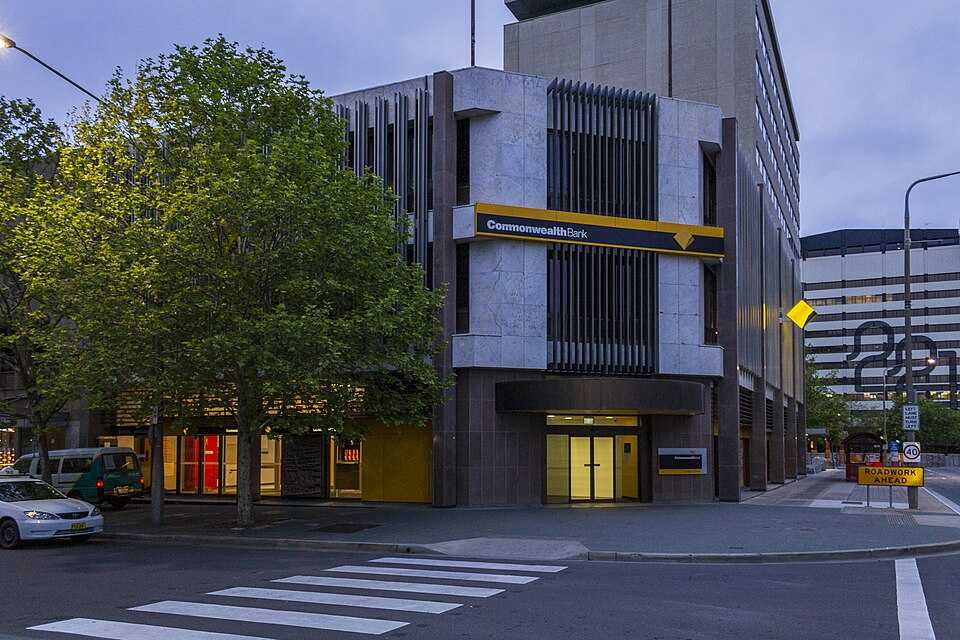
The real-world impact of these risk adjustments has already reverberated through equity valuations. Commonwealth Bank of Australia shed nearly $22 billion in market value in a single session following an increase in its defensive capital reserves, while the nation’s other three primary lenders raised their bad-debt provisioning by a collective A$757 million ($549.13 million). Investment banking analysts suggest these figures may still understate the risk if the geopolitical shock triggers a broader credit market freeze, noting that the domestic economic impact will likely filter through industrial and cyclical sectors over the next six months.
In Singapore, direct credit exposure to the Middle East remains negligible at under 3% of total loan books across the three major domestic institutions. However, second-order inflationary pressures on small and medium-sized enterprises prompted OCBC to secure S$216 million ($170 million) in defensive provisions. Similarly, Asia-focused global lenders HSBC and Standard Chartered booked March quarter charges of $300 million and $190 million, respectively, with equity analysts indicating that further prudential adjustments remain highly possible given the fluid nature of the crisis. In India, leading financial institutions including HDFC Bank, Axis Bank, and Federal Bank have proactively established provision buffers despite reporting stable asset quality. Asset managers observe that while current allocations represent a conservative baseline that could be unwound if diplomatic resolutions progress, a protracted conflict will inevitably require banks to allocate significantly more capital to cover potential bad debts.
Click here for more on Banking