Global oil and gas prices surged Tuesday as the U.S.-Israeli conflict with Iran disrupted Middle East energy exports. Tehran targeted ships and energy infrastructure, shut navigation in the Gulf, and forced output halts from Qatar to Iraq.
Crude has climbed more than 15% since Friday, with the Brent benchmark rising 6% on Tuesday to above $82 a barrel—its highest since July 2024. European gas prices have jumped 40%, adding to a similar surge the previous day. Prices for sugar, fertiliser, and soy have also increased. A prolonged conflict in a region responsible for nearly a third of global oil production and about a fifth of natural gas output risks reigniting inflation and undermining recoveries in Europe and Asia.
Shipping disrupted
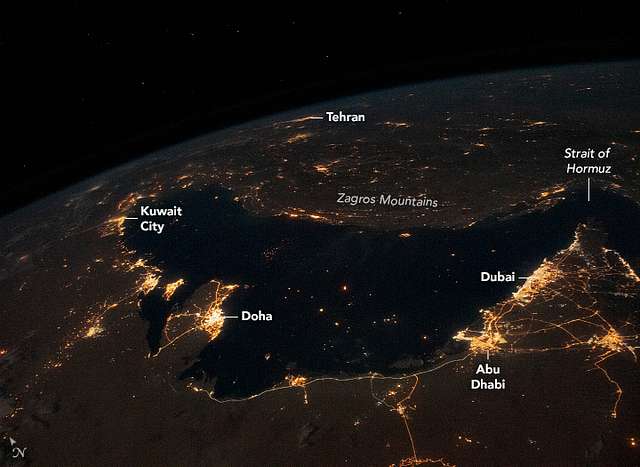
Transit through the Strait of Hormuz has been halted for a fourth straight day after Iran struck five vessels, cutting off a passage that carries roughly 20% of global oil and gas supply.
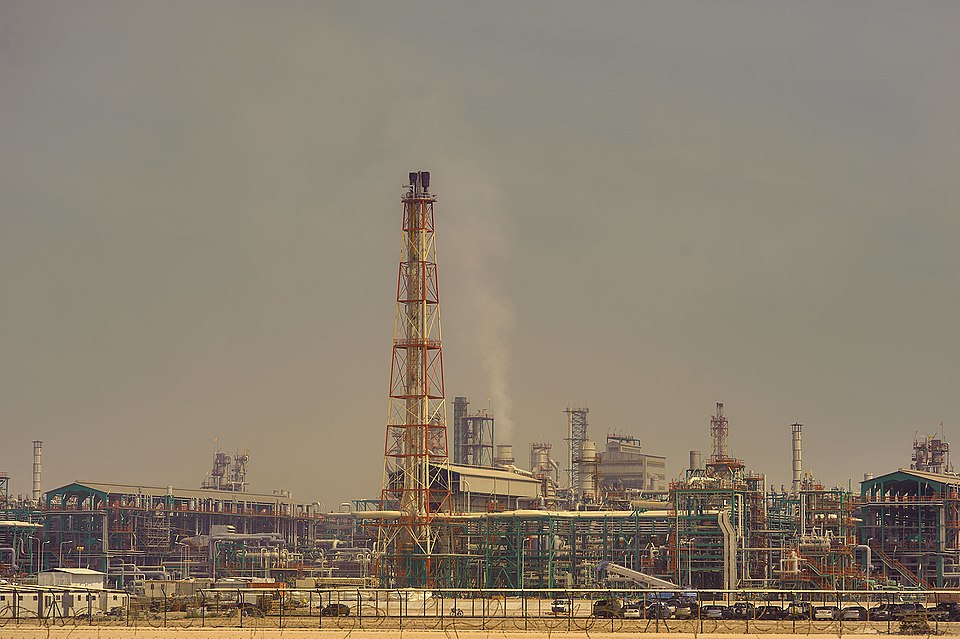
On Tuesday, a fuel tank was hit at Oman’s Duqm port, while a fire broke out in Fujairah in the United Arab Emirates, a key oil hub. A day earlier, Qatar suspended operations at its major liquefied natural gas facilities—among the world’s largest—responsible for about one-fifth of global LNG exports. Saudi Arabia halted output at its biggest domestic refinery, and Israel as well as Iraq’s Kurdistan region shut portions of their oil and gas production.
U.S. President Donald Trump escalated the crisis over the weekend with direct strikes on Iran that reportedly killed Supreme Leader Ali Khamenei.
In the United States, gasoline prices rose above $3 per gallon for the first time since November, posing political challenges ahead of the midterm elections. Treasury Secretary Scott Bessent and Energy Secretary Chris Wright are set to outline measures to cushion consumers, Secretary of State Marco Rubio said.
India, heavily reliant on Middle Eastern energy, has begun rationing gas supplies to industry following Qatar’s production shutdown. While most Qatari LNG is destined for Asia, some shipments go to Europe, which depends entirely on imports and may increasingly turn to U.S. supplies after reducing reliance on Russian gas since 2022.
Global shipping rates have soared to record highs as the conflict intensifies and vessels in the Gulf face mounting risks. With Hormuz closed, hundreds of oil and LNG tankers remain stranded near hubs such as Fujairah, unable to reach customers in Asia, Europe, and beyond.
Risk of production cuts
The tanker bottleneck could soon force producers—including Saudi Arabia, the UAE, Iraq, Kuwait, and Iran—to scale back output if alternative shipping options are not secured.
Security analysts are also evaluating how long Iran can sustain missile and drone attacks. So far, Saudi Arabia, the UAE, Oman, and Kuwait have intercepted most projectiles aimed at energy facilities, ports, and airports, though concerns are rising about the durability of their defence stockpiles.
Click here for more on Business