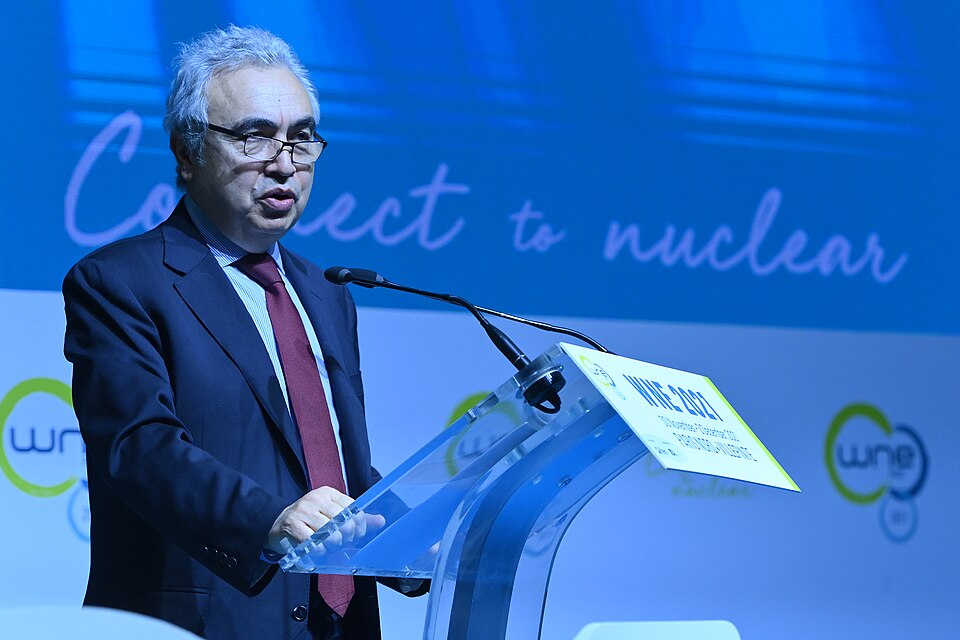
In an interview with Le Figaro, Fatih Birol, head of the International Energy Agency, warned that the current oil and gas crisis caused by the blockade of the Strait of Hormuz is more severe than the combined energy shocks of 1973, 1979, and 2022.
He described the situation as an unprecedented disruption to global energy supplies. While countries such as Europe, Japan, and Australia are expected to feel the impact, developing economies are likely to be hit hardest due to rising oil and gas costs, higher food prices, and accelerating inflation.
Birol noted that member countries of the IEA had agreed last month to release portions of their strategic reserves, with some already deployed and further releases ongoing.
The crisis follows near-total disruption of traffic through the Strait of Hormuz by Iran in response to strikes by Israel and the United States. The chokepoint typically handles about one-fifth of global oil and gas flows, and its closure has driven a sharp rise in energy prices.
Click here for more on Business