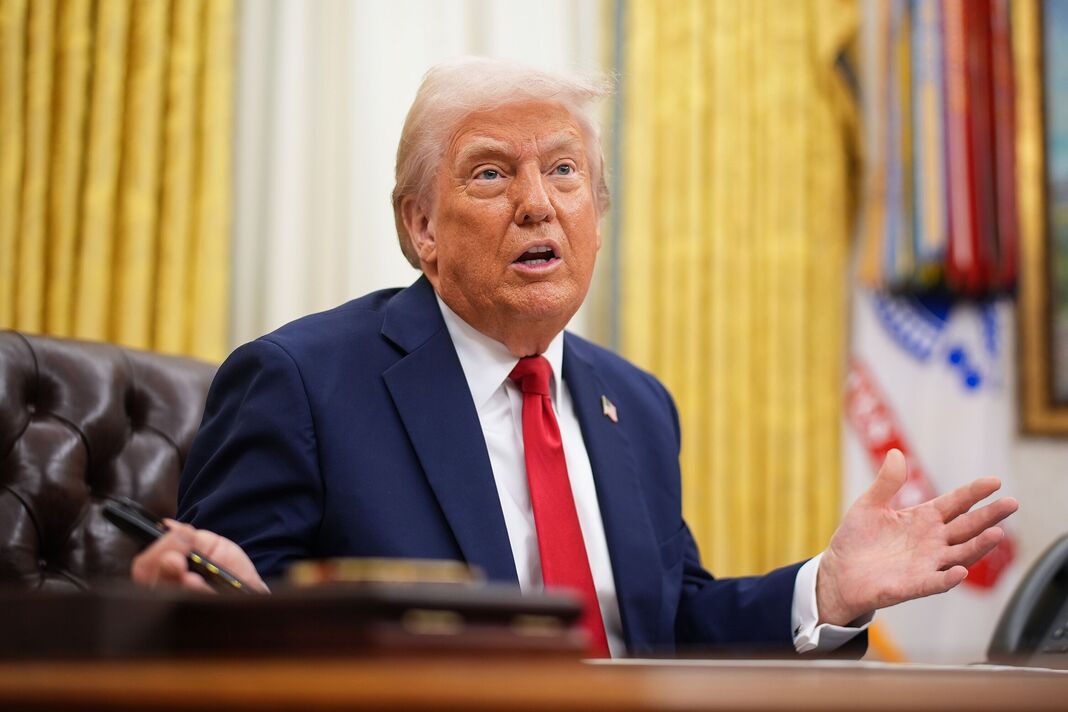
HONG KONG: The U.S. dollar edged higher on Tuesday as investors adopted a cautious stance amid the ongoing Middle East conflict, with markets doubtful of a quick resolution despite U.S. President Donald Trump delaying a planned strike on Iran’s power grid.
Trump said on Truth Social that Washington and Tehran had held “very good and productive” talks aimed at a “complete and total resolution” of hostilities, though Iran denied any direct negotiations had taken place.
The conflicting signals, coupled with renewed fighting, kept markets unsettled as traders assessed Trump’s decision to postpone the attack by five days. Concerns also persisted over the disruption of roughly one-fifth of global oil and liquefied natural gas shipments through the Strait of Hormuz.
Analysts said the latest developments may have briefly eased volatility but were unlikely to trigger a sustained risk-on sentiment. Uncertainty around Trump’s policy direction continued to make markets wary, with investors unsure whether the delay signals genuine diplomacy or merely a pause in escalating tensions.
In currency markets, sterling fell 0.49% to $1.3388 after a near 1% gain in the previous session, while the euro slipped 0.3% to $1.1583 after rising earlier. The Australian dollar declined 0.6% to $0.6968, retreating from a six-week high, and the New Zealand dollar dropped 0.5% to $0.5832.
The Japanese yen weakened to 158.73 per dollar after Japan’s core inflation slowed to 1.6% in February, falling below the Bank of Japan’s 2% target for the first time in nearly four years and complicating the case for further rate hikes.
Oil prices rebounded after plunging more than 10% the previous day, with Brent crude climbing back above $100 a barrel on supply concerns.
The dollar index rose 0.2% to 99.387 after briefly hitting a near two-week low on Monday. It has gained 1.8% this month, putting it on track for its strongest monthly performance since October, supported by safe-haven demand and reduced expectations of a Federal Reserve rate cut.
Strategists said the key question for markets is whether the delay in military action signals progress toward a deal or simply prolongs uncertainty. In the near term, the dollar is likely to remain supported as long as there are no clear signs of de-escalation.
Click here for more on Finance and Investing