Digital wallets maintained their position as the leading payment method for e-commerce in Malaysia in 2025, capturing 26% of online transaction value, with projections indicating an increase to 30% by 2030. According to the Global Payments Report 2026, mobile wallets also dominated point-of-sale (POS) transactions with a 32% market share in 2025, a figure expected to rise to 40% by the end of the decade. This market is primarily driven by domestic operators Touch ’n Go and Boost, alongside regional player GrabPay and international brands like Apple Pay, Google Pay, and PayPal. While consumers favor these platforms for their speed and security, merchants leverage them to distribute target rewards and loyalty discounts.
Concurrently, account-to-account (A2A) transactions are poised for steady expansion over the next five years. In 2025, A2A payments held the largest share of the e-commerce market at 35% and are forecast to reach 40% by 2030, while their POS market share is expected to tick upward from 14% to 16% over the same timeframe. This growth is heavily backed by national digital payment infrastructure networks, specifically DuitNow and DuitNow QR, the latter of which recorded approximately 2.6 million merchant touchpoints by late 2024. Additionally, the FPX system processed over two billion digital transactions, enabling PayNet to facilitate seamless, direct bank-to-merchant transfers.
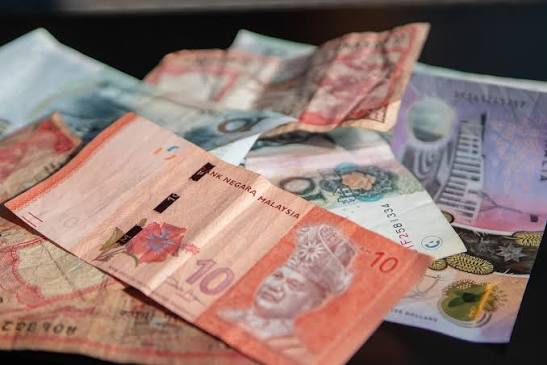
Despite the digital acceleration, cash remains a notable fixture in brick-and-mortar retail, accounting for 22% of POS volume in 2025. Although this is down dramatically from 64% in 2019, it reflects a slight deceleration in the transition away from physical currency, as previous projections estimated cash dropping to 17% by 2030. To enhance tax compliance, the Malaysian government is actively disincentivizing cash usage through strategic initiatives outlined in its Financial Sector Blueprint. Overall, Malaysia’s broader commerce landscape is expanding rapidly; between 2025 and 2030, the e-commerce market is projected to grow at a 9% compound annual growth rate (CAGR) from $15 billion to $23 billion, while the POS market is forecast to grow at a 5% CAGR from $145 billion to $181 billion.
Breaking down the alternative payment options for 2025, e-commerce transactions were rounded out by credit cards at 16%, debit cards at 9%, and cash at 8%. At physical registers, digital wallets led the market (32%), followed by cash (22%), credit cards (15%), and both debit cards and A2A transfers at 14% each. Within the card issuance ecosystem, the domestic MyDebit scheme commanded the highest market share in 2024 at 36%, outstripping Visa at 30%, Mastercard at 25%, and American Express at 3%. Funding for digital wallets remains evenly split between linked payment cards and direct A2A bank transfers, with buy now, pay later (BNPL) services and cash acting as secondary funding sources.
Click here for more on Banking