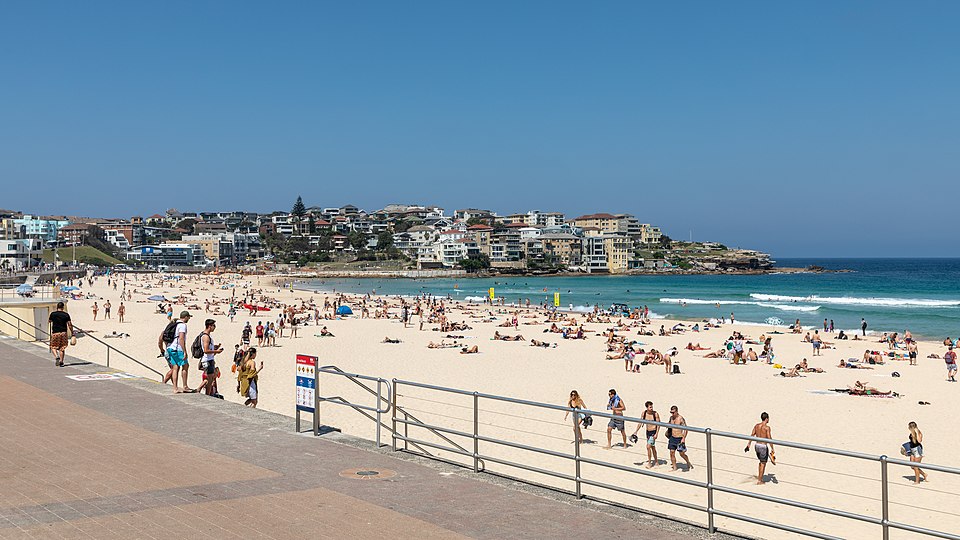
Two suspected gunmen who carried out an attack at a Hanukkah event on Sydney’s Bondi Beach had travelled to the Philippines shortly before the assault and appear to have been inspired by Islamic State, police said on Tuesday.
The shooting on Sunday, Australia’s deadliest mass attack in almost three decades, is being treated as an act of terrorism aimed at the Jewish community. Sixteen people were killed, including one of the alleged attackers, 50-year-old Sajid Akram, who was shot dead by police. His 24-year-old son and suspected accomplice, Naveed Akram, was critically injured after also being shot.
Philippines trip under scrutiny
Australian police said both men visited the Philippines last month and that the purpose of the trip is under investigation. Philippine immigration authorities confirmed the pair travelled to Manila and then to Davao on November 1, leaving the country on November 28, weeks before the Bondi attack.
Officials said the father travelled on an Indian passport while the son used an Australian passport, adding there was no conclusive evidence they were linked to any terrorist group or received training during the visit. Islamic State-linked networks have previously operated in parts of the southern Philippines, though their influence has diminished significantly in recent years.
“Early indications suggest this was a terrorist attack inspired by Islamic State, allegedly carried out by a father and son,” Australian Federal Police Commissioner Krissy Barrett told reporters, stressing that the actions reflected alignment with a terrorist organisation, not a religion.
Police said a vehicle registered to the younger man contained improvised explosive devices and two homemade flags linked to ISIS, which is designated a terrorist organisation by Australia and many other countries.
Authorities allege the pair opened fire on hundreds of people over about 10 minutes at the popular tourist spot, prompting chaos as crowds fled before police shot both suspects. Videos have since surfaced of the younger man preaching Islam at Sydney train stations, as investigators continue to examine his path to radicalisation.
Community response and investigation
About 25 survivors remain in hospital, officials said. Israeli Ambassador Amir Maimon visited the site on Tuesday, calling on the Australian government to ensure the safety of Jewish communities, as he laid flowers at a growing memorial near the Bondi Pavilion.
Australia has seen a rise in antisemitic incidents over the past 16 months, prompting intelligence officials to flag it as a major threat to life.
The beach reopened on Tuesday but remained largely quiet as mourners gathered. Among those injured was Ahmed al Ahmed, a 43-year-old Muslim father of two who tackled one of the gunmen and seized his rifle. He remains hospitalised with gunshot wounds and has been widely praised for his bravery. A fundraiser for him has raised more than A$1.9 million.
Thousands of Australians also queued at blood donation centres nationwide following appeals from medical authorities.
Gun laws under review
The attack has renewed scrutiny of Australia’s gun laws after police confirmed Sajid Akram was a licensed firearm owner with six registered weapons. His licence was issued in 2023, not 2015 as previously stated.
Home Affairs Minister Tony Burke said firearm regulations introduced after the 1996 Port Arthur massacre should be reviewed. Former prime minister John Howard, who implemented those laws, cautioned against allowing the debate to distract from tackling antisemitism.
The victims included a rabbi who was a father of five, a Holocaust survivor and a 10-year-old girl, Matilda Britvan. Two police officers remain in critical but stable condition. Matilda’s aunt, Lina Chernykh, said the family was devastated, adding: “We will be forever heartbroken.”
Click here for more on World