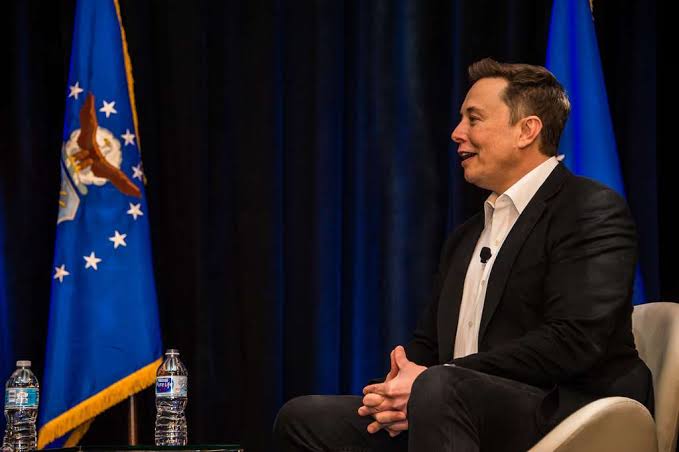
Billionaire Elon Musk emerged as one of the major losers of the 2026 US midterm elections after Republicans suffered a sweeping defeat and Texas elected its first Democratic governor in more than three decades.
The world’s richest man had spent nearly half a billion dollars supporting Republican candidates and efforts to retain Republican control of Texas, a strategically important state that hosts Tesla, SpaceX and a planned semiconductor venture involving the two companies. However, those political investments failed to deliver the expected results as Democrats secured majorities in both chambers of Congress and Gina Hinojosa defeated incumbent Greg Abbott in the Texas gubernatorial race. The outcome represented a significant setback for US President Donald Trump, a close political ally whom Musk had helped bring to power.
Musk, who urged his followers on X to vote Republican as recently as election day, now faces a strengthened Democratic Party that has increasingly challenged his business interests and political influence.
The Republican Party’s biggest donor had warned last month that he could retaliate against Democrats through his social media platform if they pursued investigations into his companies following an election victory.
The political developments also weighed on investor sentiment, with SpaceX shares falling 5.5% and Tesla declining 5.1%, both underperforming the broader market.
One of Musk’s most significant challenges could be increased regulatory scrutiny and delays in securing approvals for the data centres essential to SpaceX’s artificial intelligence ambitions. The company has highlighted a potential addressable market of $28.5 trillion ahead of its planned initial public offering.
Analysts expect Democrats to intensify oversight of data-centre developments and potentially support construction moratoriums as opposition from local communities grows, particularly over rising electricity costs and pressure on existing infrastructure.
A Democratic majority in Congress could increase regulatory pressure on technology companies and the broader AI industry, potentially slowing the sector’s rapid expansion, said Jake Dollarhide, chief executive of Longbow Asset Management.
He added that Musk’s substantial financial backing had been unable to overcome voters’ concerns about higher utility bills, grocery prices and fuel costs, which contributed to the Republican setback.
Musk has also faced growing criticism from Democratic lawmakers over restrictions affecting satellite communications used by Ukraine’s military, large-scale federal workforce reductions during his involvement with the Department of Government Efficiency (DOGE), and the government contracts and subsidies received by his companies.
Robert Garcia, who is set to become chairman of the House Oversight Committee, issued a pointed warning to Republicans and their allies following the Democratic victory, telling them to “lawyer up”.
Hinojosa’s victory raises data-centre concerns
In Texas, Musk could also face difficulties in his relationship with incoming Governor Gina Hinojosa. She previously sued to obtain communications between Musk and Abbott, accusing the former governor of offering favourable arrangements to the billionaire at the expense of the state.
Hinojosa has criticised Abbott’s approach to regulating data centres, describing his efforts as political theatre. Instead, she has called for an immediate pause on new projects until stronger protections for local communities are introduced, alongside an end to tax incentives for developers.
Musk appeared to acknowledge the potential obstacles, posting on X that data centres in space were looking increasingly attractive. The comment referred to SpaceX’s ambitious proposal to establish computing facilities in orbit, although significant technical challenges involving cooling systems and equipment maintenance remain.
SpaceX’s AI operations currently revolve around Colossus and Colossus II, two of the world’s largest AI data centres located near Memphis. Leasing computing capacity to customers, including Anthropic, has significantly boosted revenue and helped the company record its first profit as a publicly listed business.
However, SpaceX plans to expand its computing capacity from 1.7 gigawatts at the end of September to as much as 3 gigawatts by year-end, before targeting 13 gigawatts next year.
Any delays in bringing additional capacity online could undermine Musk’s ambitious revenue projections and intensify investor concerns about the rising costs of AI infrastructure.
Chip research firm SemiAnalysis has identified more than 9 gigawatts of planned or developing data-centre capacity, including proposed facilities at SpaceX’s Starbase complex in Boca Chica, Texas.
The planned expansion in Boca Chica could also encounter political resistance. Hinojosa has opposed a potential sale of a beachfront state park to SpaceX after reports emerged that Texas officials had discussed the proposal.
“Texas is not for sale,” Hinojosa said last month.
Meanwhile, Musk has deleted his election-day post urging followers to vote Republican, following the party’s significant losses in the midterm elections.
Click here for more on Technology