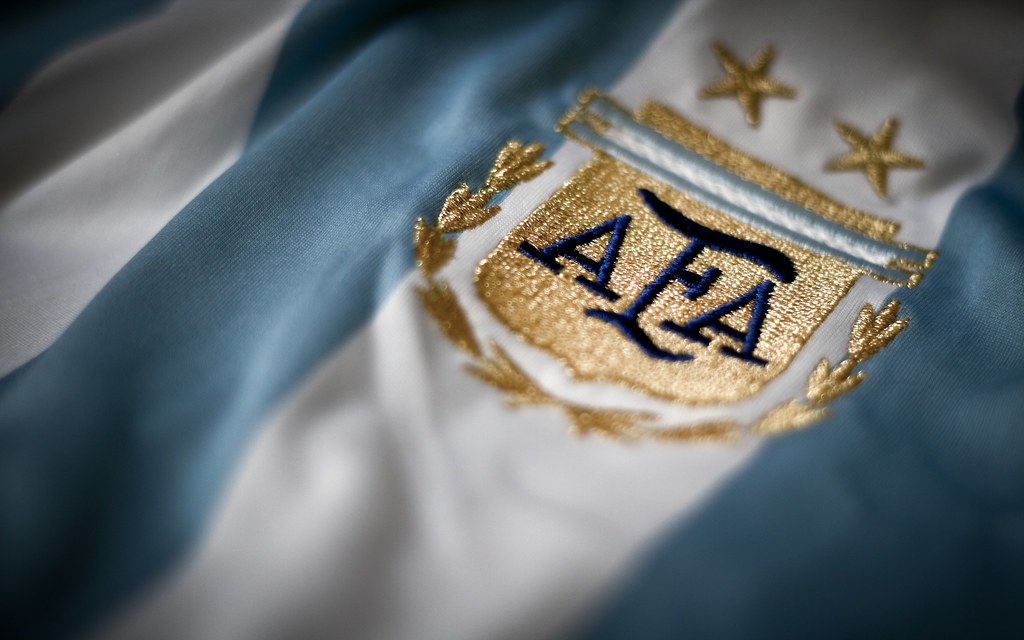
Wednesday’s World Cup semifinal match between Argentina and England is more than a historic rivalry; it highlights two contrasting, evolving national identities. Once defined by an insular sense of exceptionalism as the inventors of the game, England has transitioned toward a more inclusive, multicultural identity that mirrors its modern diversity. Conversely, Argentina’s football identity remains anchored in a 1920s origin myth that was forged in deliberate opposition to British style and influence.
In the early 20th century, as British expats popularized the sport in South America, Argentine journalists actively encouraged a contrasting playing style. In 1928, El Gráfico editor Borocotó famously described the ideal Argentine footballer as a pibe (kid): small, street-smart, impoverished, and cunning. This archetype—which perfectly described Diego Maradona decades before his birth—served as a unifying national symbol for an emerging country reshaped by massive waves of European migration. Today, even with most of its squad playing in Europe, Argentina still embraces this streetwise philosophy, as seen in goalkeeper Emiliano Martínez’s psychological tactics. Former player Jorge Valdano noted that this distinct brand of street-taught grit was what carried the team to victory in the 2022 Qatari final.
Meanwhile, England’s national identity has shifted due to more recent migration from former colonies. Sunder Katwala, director of the think tank British Future, notes that the national team has profoundly reshaped social perceptions of Englishness. After the 1966 World Cup win, England’s football culture was defined by nostalgic, post-war nationalism and, by the 1990s, was often marred by xenophobia and hooliganism. The Euro 1996 tournament served as a turning point, reframing the national identity around shared hope and resilience. This cultural shift eventually opened the door to foreign managers, including Sweden’s Sven-Göran Eriksson and Germany’s Thomas Tuchel.
Because England lacks its own distinct nation-state institutions separate from the broader UK, the football team acts as its primary representative—a sentiment shared across white and ethnic minority communities alike. This evolution has faced major challenges, such as the severe online racist abuse targeted at Black players who missed penalties in the Euro 2020 final. Midfielder Jude Bellingham remarked that the country was united until the shootout, after which the players’ Englishness was stripped away by critics. Yet Bellingham, who is of mixed heritage, now embodies this changing landscape, celebrated by traveling fans to the tune of “Hey Jude.” As goalkeeper Jordan Pickford noted ahead of the semifinal, the squad’s goal is to keep uniting the nation as they prepare for a difficult clash against Argentina.
Click here for more on Lifestyle
Source