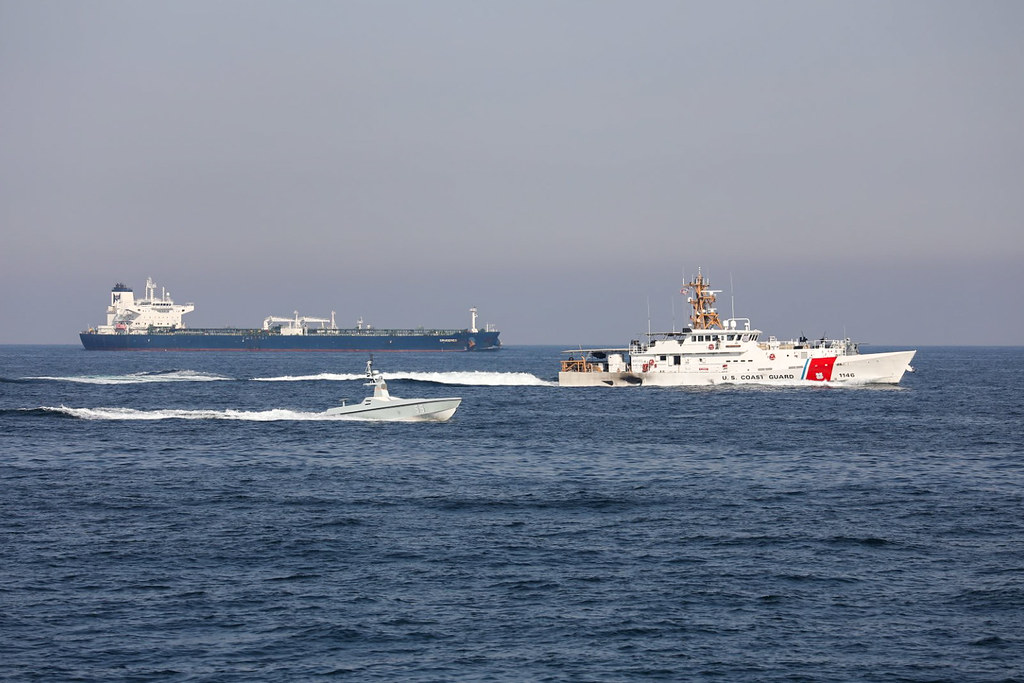
Commercial vessels have commenced transiting the Strait of Hormuz under a newly implemented United Nations initiative designed to evacuate merchant fleets stranded by the ongoing conflict, a spokesperson confirmed on Wednesday. Orchestrated by the International Maritime Organization (IMO), the plan follows months of negotiations and aims to secure safe passage for hundreds of trapped vessels and approximately 11,000 marooned mariners. While the IMO declined to identify specific vessels that have cleared the choke point, LSEG ship-tracking data indicated that at least two dry bulk carriers and one general cargo ship completed the transit within a 12-hour window. Concurrently, maritime data showed three stranded tankers carrying 5 million barrels of crude oil exiting the strait—with two bound for Asia—though it remains unconfirmed if their departure was tied directly to the UN framework.
According to a Reuters analysis of LSEG and MarineTraffic data, a flotilla of at least 35 smaller vessels—including container ships, dry bulk carriers, tugs, and five oil tankers—are preparing to make the crossing. The evacuation operation was made possible after the United States and Iran established a ceasefire framework, allowing the IMO to map out two temporary transit corridors. Outbound vessels are routed either through a northern track via Iranian territorial waters or a southern path managed through coordinated Omani and U.S. waters. The IMO has instructed crews to wait for explicit deployment orders, warning that overcrowding the staging zones could force a temporary halt to operations to preserve navigational safety. This contingency routing replaces the traditional 1968 Traffic Separation Scheme, as the central shipping lanes are currently unusable due to active naval mine risks.
While overall maritime traffic through Hormuz has risen from a wartime low of 10 daily transits to an average of over 25 ships per day, this volume represents only a fraction of the 125 daily sailings recorded before the conflict erupted on February 28. Tracking efforts remain complicated; though more vessels are reactivating their public Automatic Identification System (AIS) transponders, severe signal interference and deliberate blackouts mean some movements go unrecorded. There are between 500 and 600 total ships stranded inside the Gulf, including up to 100 tankers. To alleviate the gridlock, the U.S. military had previously initiated its own standalone escort missions, but the new IMO framework is strictly a one-way evacuation protocol that does not support inbound vessels seeking to load new crude cargoes from Gulf producers.
British maritime risk firm Vanguard noted that the IMO stepped in due to a severe degradation of navigational safety and an escalating risk of mid-sea collisions. Despite the international framework, risk analysts emphasize that shipowners and captains must perform independent safety assessments before entering the corridors, as evacuations can be suspended instantly for military deconfliction or security threats. Reflecting these persistent dangers—including the threat of unanchored floating mines—and a structural shortage of available vessels, global oil tanker freight rates have surged.
Click here for more on World News