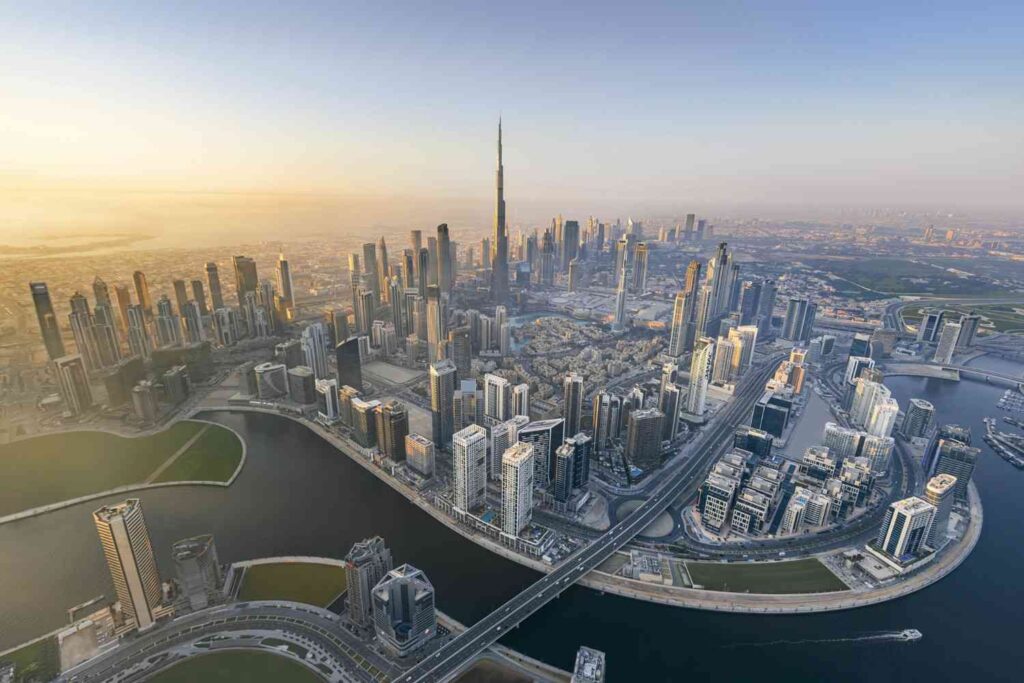
Indications that the conflict involving Iran is nearing an end, marked by the electronic signing of a peace treaty, are beginning to restore investor confidence across the GCC. However, whether this newfound optimism will successfully reignite IPO momentum and diversify regional equity market participation hinges entirely on post-summer market conditions. To fully re-engage foreign investors at pre-war volumes, the market will require realistic valuation expectations, stable liquidity, and clear earnings visibility. The recent downturn in market sentiment has already pushed notable listings—including Saudi Arabia’s Arabian Dyar and Mutlaq Al Ghowairi, alongside the UAE’s Dubai Investment Parks—into the latter half of the year. While investment bankers anticipate a highly active equity market as the region emerges from the conflict, it remains to be seen if trading intensity will match pre-war peaks.
Despite visible capital outflows from core GCC markets during the hostilities, industry experts remain confident in the underlying fundamentals driving foreign direct investment into the UAE and Saudi Arabia. More disciplined pricing strategies, paired with a resilient economic outlook, are expected to draw international capital back, as many institutional investors have maintained their long-term investment cases for the region. Currently, a robust pipeline of IPOs exists, but execution has turned highly tactical due to diminished market liquidity, leading advisors to recommend a temporary wait-and-see approach. In terms of sector impact, the UAE’s hospitality and real estate industries bore the brunt of the disruption. Conversely, planning for Saudi IPOs has faced no delays, and the UAE is still on track for a second-half revival, supported by strong economic fundamentals.
| Delayed Regional IPOs (Post-Summer) | Key Factors for Institutional Re-engagement |
| Arabian Dyar (Saudi Arabia) | Disciplined, sensible asset pricing |
| Mutlaq Al Ghowairi (Saudi Arabia) | Clear corporate earnings visibility |
| Dubai Investment Parks (UAE) | Robust growth characteristics and cash flow |
Future post-war transactions will likely feature structural adjustments designed to favor local bidders and decrease reliance on international books. To attract foreign capital, upcoming offerings must feature more sensible pricing and compelling growth narratives backed by healthy cash flows. Reflecting this long-term confidence, major financial institutions like Citi are actively expanding their regional headcount. Furthermore, while GCC capital and liquidity faced intense pressure over the last 100 days of conflict, aggressive rebounds are projected as critical trade routes reopen.
Although additional capital expenditure will be necessary to repair damaged energy assets in Qatar, Saudi Arabia, and the UAE, the region’s major corporations have shown no material changes to their business plans or long-term outlooks, benefiting from strong corporate health established prior to the war. On a macroeconomic scale, the GCC’s non-energy sectors are projected to experience a mild 1.1% contraction in 2026 due to disrupted energy production and trade flows. However, a sharp recovery is anticipated for 2027 and beyond, with the six-nation bloc’s GDP forecasted to expand by 8.1% as energy corridors normalize, travel demand bounces back, and corporate confidence is fully restored.
Click here for more on Finance and Investing