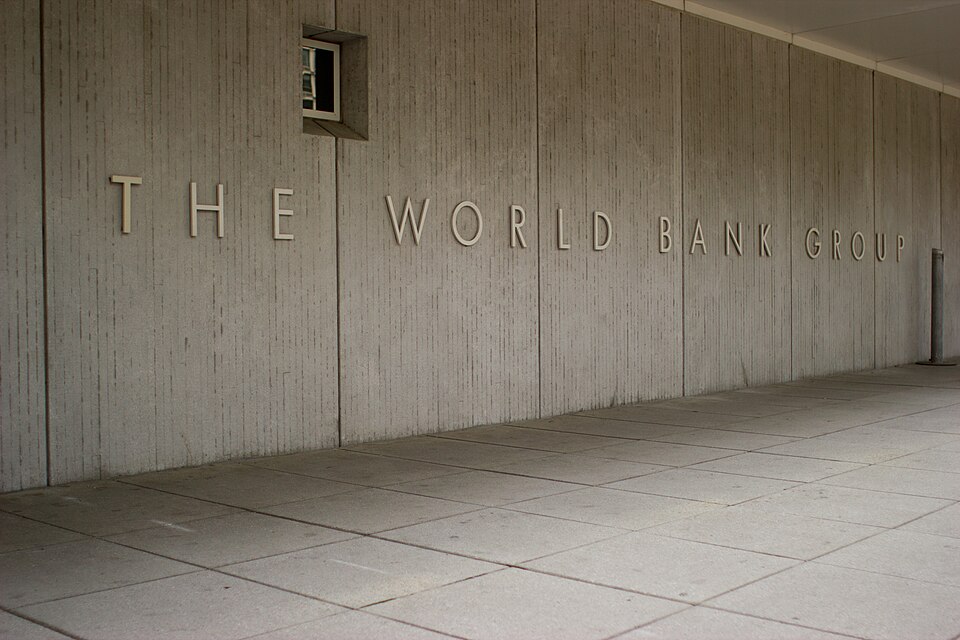
The World Bank has downgraded its 2026 global economic growth forecast, warning that the Middle East conflict has delivered a fresh blow to the global economy. By driving up energy prices and reigniting inflation, the hostilities risk triggering tighter monetary policies worldwide.
According to the latest Global Economic Prospects report, global growth is projected to decelerate to 2.5% in 2026 from 2.9% in 2025, marking the weakest expansion since the COVID-19 pandemic. This deceleration is heavily driven by diminished prospects for energy-importing countries and those close to the conflict, as high oil and energy prices drag down household spending, corporate investment, and overall economic activity. However, the World Bank anticipates a gradual recovery in 2027 and 2028 as energy markets stabilize, inflation cools, central banks resume rate cuts, and international trade rebounds.
The downturn will hit emerging market and developing economies (EMDEs) particularly hard, with growth projected to slow to 3.6% in 2026. Every developing region is expected to experience weaker growth than the previous year, pushing per-capita income growth to its lowest rate since the pandemic. The report emphasizes a widening global developmental divide: excluding China and India, per-capita income in EMDEs will not catch up to advanced economies’ pre-pandemic trajectories until after 2028, effectively erasing nearly a decade of progress in closing the global wealth gap.
Risks remain heavily skewed to the downside. If the Middle East conflict escalates or commodity supply chains face prolonged disruptions, energy and food prices could surge, worsening inflation and triggering financial market stress. In a worst-case scenario featuring severe energy supply shocks, global growth could plummet to a meager 1.3% in 2026. Additional threats include trade policy volatility, geopolitical friction, and climate shocks. On the upside, widespread investment in and adoption of artificial intelligence (AI) could offer a productivity boost to stimulate economic activity.
To navigate these headwinds, the World Bank recommends robust international cooperation to secure food and energy supplies, protect global trade, and advance the green transition. Domestically, policymakers must balance inflation control with economic support while preserving fiscal health. Because slower growth will likely depress hiring and strain public finances, developing countries with booming populations will face severe labor market pressures. To counteract this, the report urges a focus on job creation through targeted investments in physical, human, and digital infrastructure, alongside regulatory improvements to mobilize private capital.
Click here for more on Banking